|
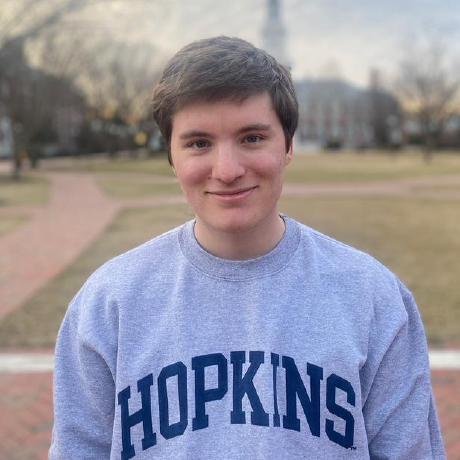
Samuel Schmidgall Hello there. My name is Samuel Schmidgall. I am a research scientist at Google Deepmind working on biomedical research as well as post-training for Gemini. I completed my PhD at Johns Hopkins University (Sept 2023 - Dec 2025). I was advised by Rama Chellappa and worked closely with Axel Krieger and Michael Moor. I also received support from the NSF Graduate Research fellowship (NSF GRFP). Email / LinkedIn / Scholar / Twitter | X / Github |
|
Research |
|
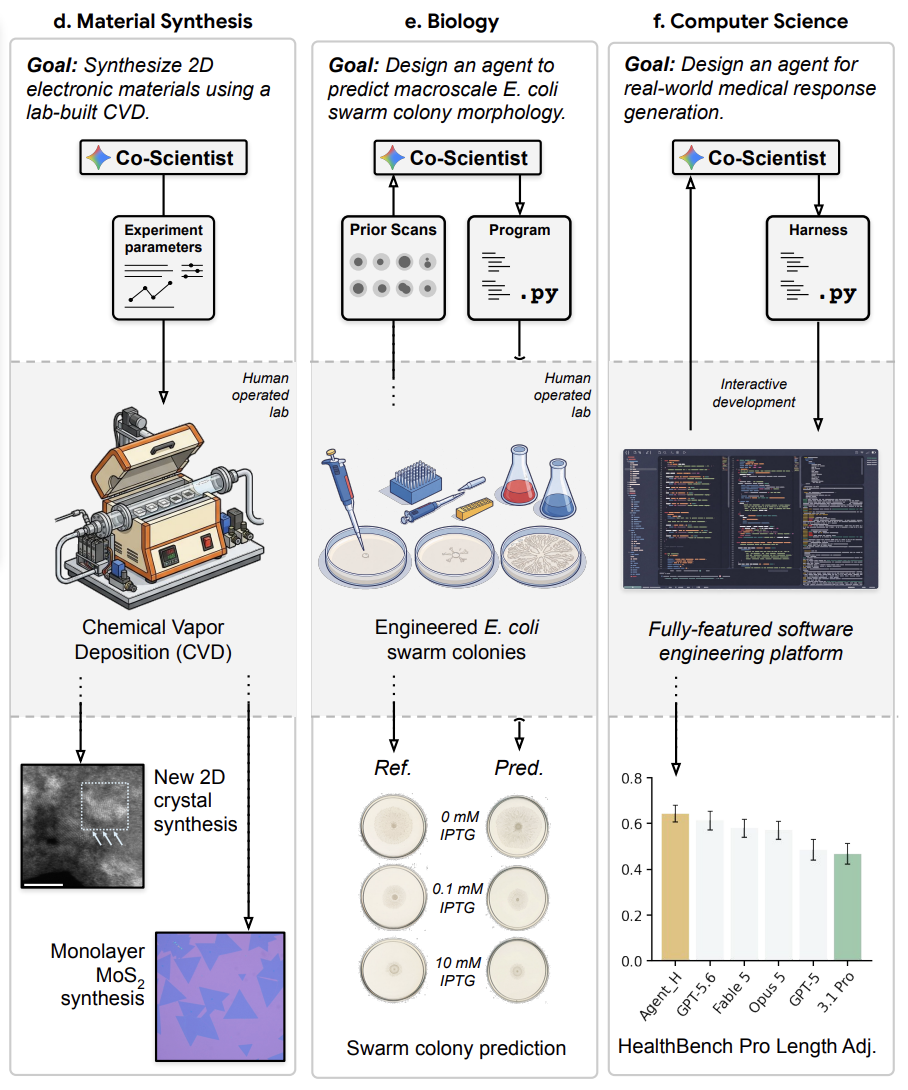
Accelerating Scientific Research with Gemini in the Real-World
Samuel Schmidgall, Xiaokai Zhu, Marian Shaw, Lin Yang, Valentin Liévin, Jingyun Yang, Yuchen Zhuang, Tim Strother, Alex Bijamov, Min Woo Sun, Anil Palepu, Justin Chen, David Steiner, Jacqueline Shreibati, Wei-Hung Weng, Yilin Zhao, Xingjian Hu, Nicholas Zahn, Sadhya Garg, Julia Kirby, Yuxiang Gan, Jiaoli Li, Divy Thakkar, Shekoofeh Azizi, David Racz, Juraj Gottweis, Vivek Natarajan, Chenglin Wu, Tal Danino, Keran Rong, Haozhe Wang, Benoit Schillings, Yong Cheng, Quoc V. Le, Tao Tu arXiv preprint arXiv:2608.26701, 2026 Co-Scientist is a multi-agent system designed to accelerate end-to-end scientific research across hypothesis generation, experimentation, and manuscript generation, demonstrated on real-world problems in materials science, biology, and computer science, including designing precursor routes for MXenes, predicting bacterial swarming behavior, and discovering inference-time scaling architectures. A double-blind study of end-to-end generated papers with 30 domain experts across 450 reviews evaluates reliability and safety. |
|
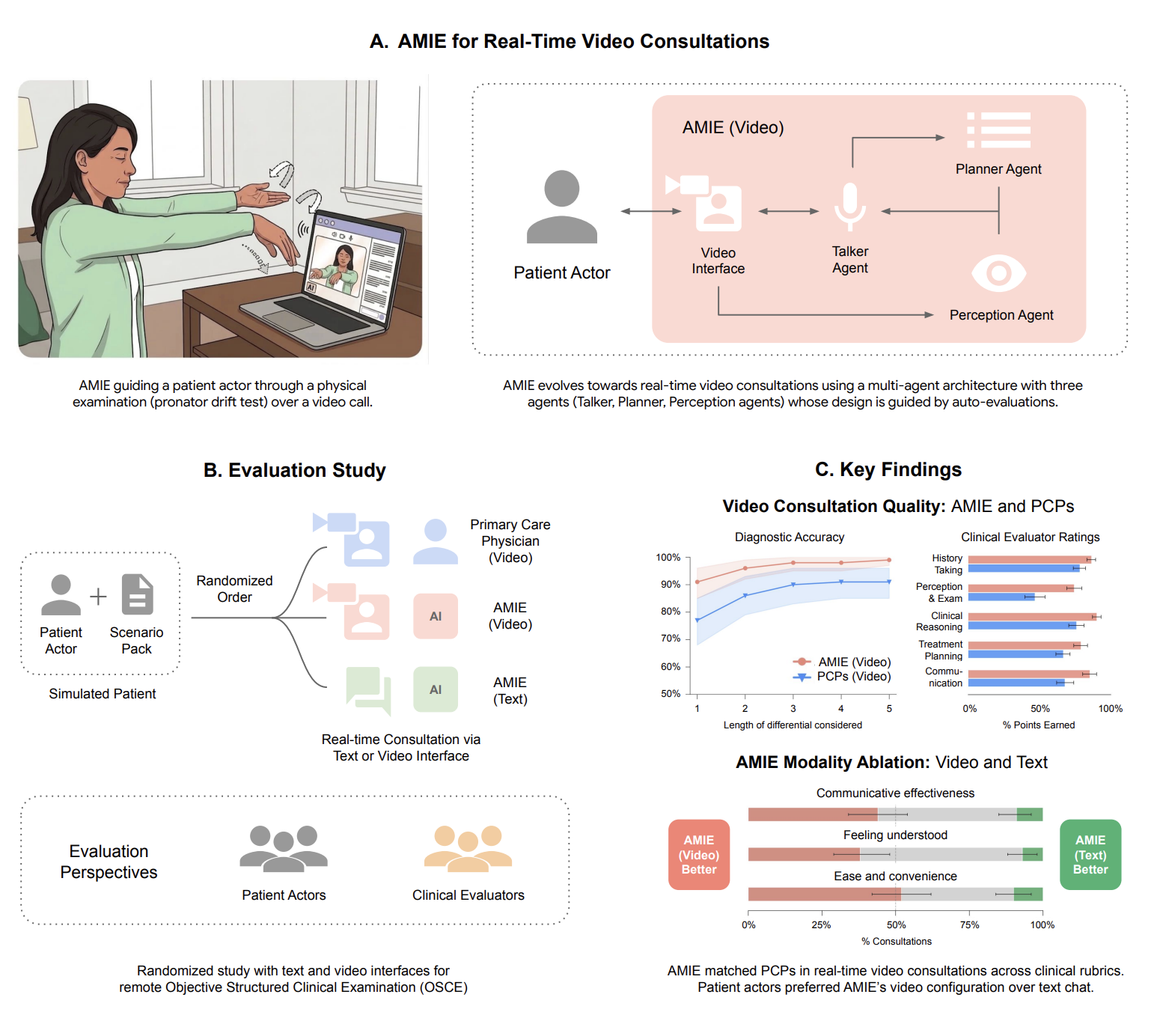
Towards Expert-level Medical AI for Real-time Video Consultations
Mahvish Nagda, Jihyeon Lee, Matthew Thompson, Chunjong Park, Tim Strother, Valentin Liévin, Roma Ruparel, Akshay Goel, ..., Samuel Schmidgall, ..., Yossi Matias, ..., Tao Tu, Yun Liu, ..., Po-Hsuan Cameron Chen, Mike Schaekermann, Anil Palepu arXiv preprint arXiv:2608.09861, 2026 The first demonstration of expert-level AI in real-time clinical video consultations, using AMIE (Video), a Gemini-based multi-agent system integrating low-latency dialogue, clinical reasoning, and real-time audio-visual perception. In a randomized OSCE study with 30 primary care physicians, 15 patient actors, and 100 clinical scenarios, clinical evaluators rated AMIE (Video) on par with or better than physicians in history-taking, diagnosis, management, and physical observation. |
|
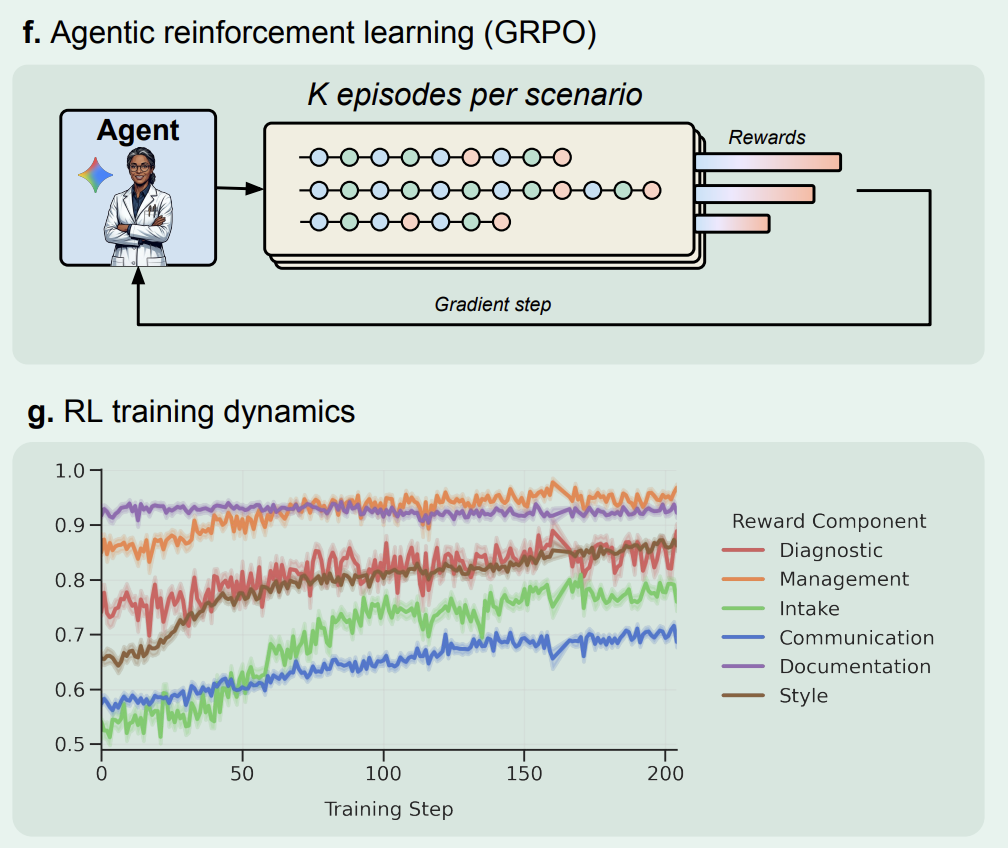
ResidencyRL: Reinforcement Learning in Simulated Clinical Environments
Valentin Liévin, Samuel Schmidgall, Tim Strother, Alex Bijamov, Akshay Goel, Anil Palepu, Chunjong Park, Vahid Balazadeh, ..., Yun Liu, Katherine Chou, Yossi Matias, ..., Joelle Barral, ..., Mike Schaekermann, Po-Hsuan Cameron Chen, Tao Tu, David Racz, Lin Yang arXiv preprint arXiv:2608.07418, 2026 ResidencyRL trains clinical AI agents through simulated patient dialogues of up to 60 turns with multiple tool interactions. The resulting agent improves diagnostic accuracy by 7.0% under adversarial conditions (88.0% vs. 81.0%), reduces missed red-flag rates by 31%, and is preferred by clinicians in 87.6% of evaluations, with skills that transfer across multiple clinical benchmarks. |
|
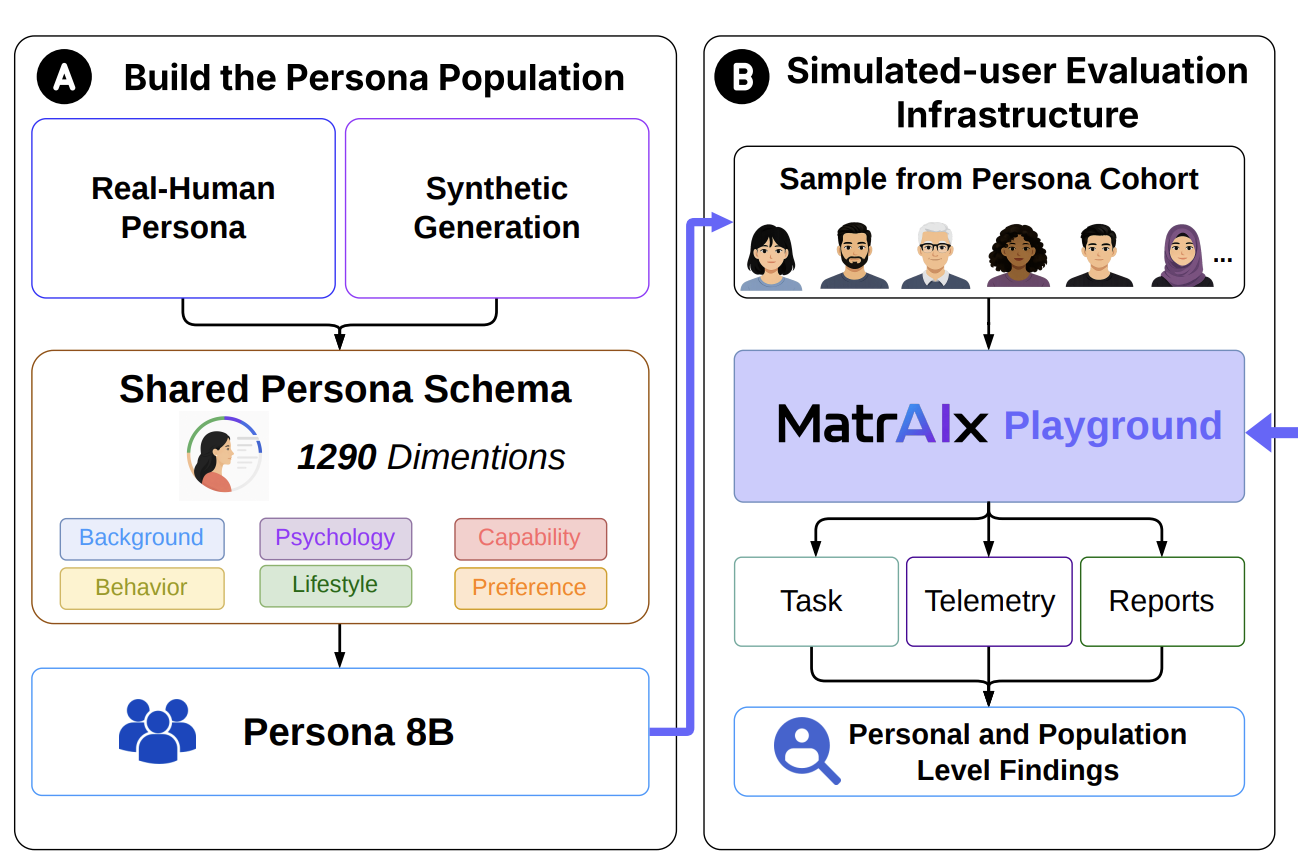
MatrAIx: Simulating the World with 8.3 Billion Persona Agents
Xiaomin Li, Yuexing Hao, Jianheng Hou, ..., Chanwoo Park, ..., Yubin Kim, ..., Samuel Schmidgall, ..., Paul Pu Liang, ..., Yilun Du, Marinka Zitnik, James Zou, ..., Philip Torr, Emily Fox, Asu Ozdaglar, Dawn Song arXiv preprint arXiv:2608.04205, 2026 MatrAIx is a population-scale simulated-user evaluation infrastructure built on Persona 8B, 8.3 billion persona records spanning 1,290 dimensions, with a quality-filtered coreset of roughly 1 million personas. Its Playground offers four evaluation environments (Survey, AI Chatbot, Web, App) and was tested across more than 1,000 application tasks spanning 25+ domains. |
|
Gemma 4 Technical Report
Gemma Team at Google DeepMind arXiv preprint arXiv:2607.02770, 2026 Gemma 4 is a new generation of open-weight, natively multimodal language models ranging from 2.3B to 31B parameters, featuring both dense and Mixture-of-Experts architectures, improved vision and audio encoders, a unified encoder-free architecture for the 12B model, and a thinking mode for generating reasoning traces prior to responding. |
|
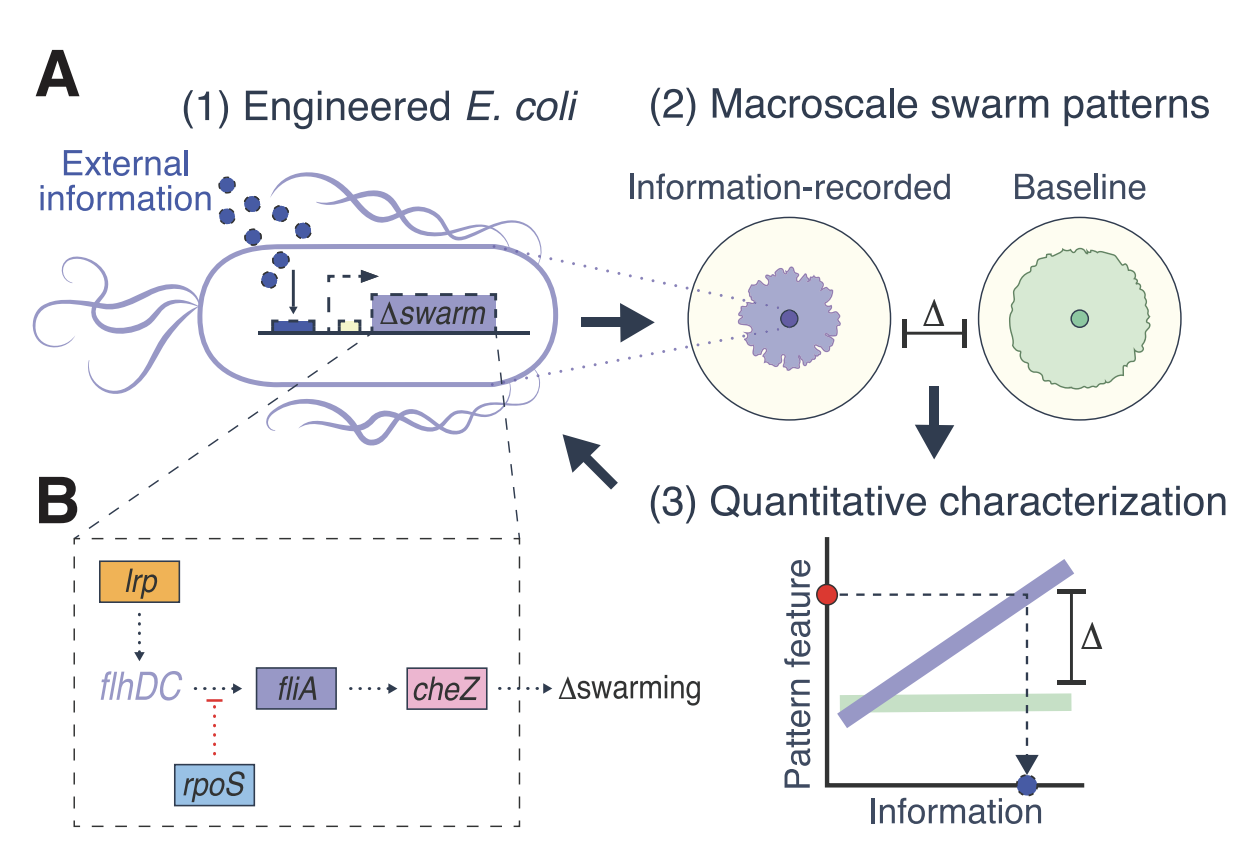
Engineered E. coli swarming for binary and analog input recording
Marian Shaw, Sadhya Garg, Julia Kirby, Samuel Schmidgall, Filippo Liguori, Anjali Doshi, Tao Tu, Tal Danino Molecular Systems Biology, 2026 Engineered E. coli strains generate centimeter-scale swarming patterns that spatially record chemical and optical environmental inputs in analog or binary-like fashion. Scalable computational methods, including feature extraction, regression, and deep-learning models, decode the resulting bacterial patterns across space and time. |
|
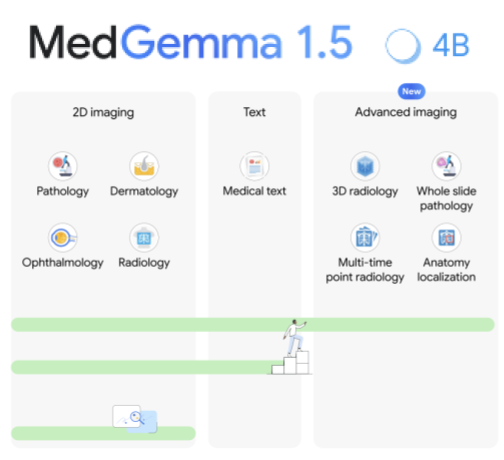
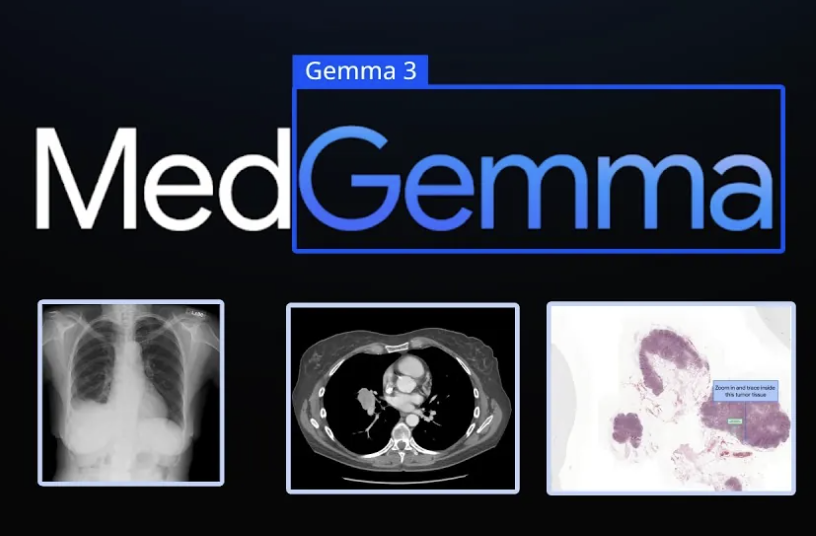
MedGemma 1.5 Technical Report
MedGemma Team at Google Research and Google DeepMind arXiv preprint arXiv:2604.05081, 2026 MedGemma 1.5 4B expands the MedGemma collection to high-dimensional medical imaging (CT/MRI volumes and histopathology whole slide images), anatomical localization via bounding boxes, multi-timepoint chest X-ray analysis, and improved medical document understanding, with substantial performance gains over its predecessor while remaining an open foundation for medical AI development. |
|
An AI Co-Data-Scientist for Prioritizing Candidate Biomarkers from Wearable Sensor Data
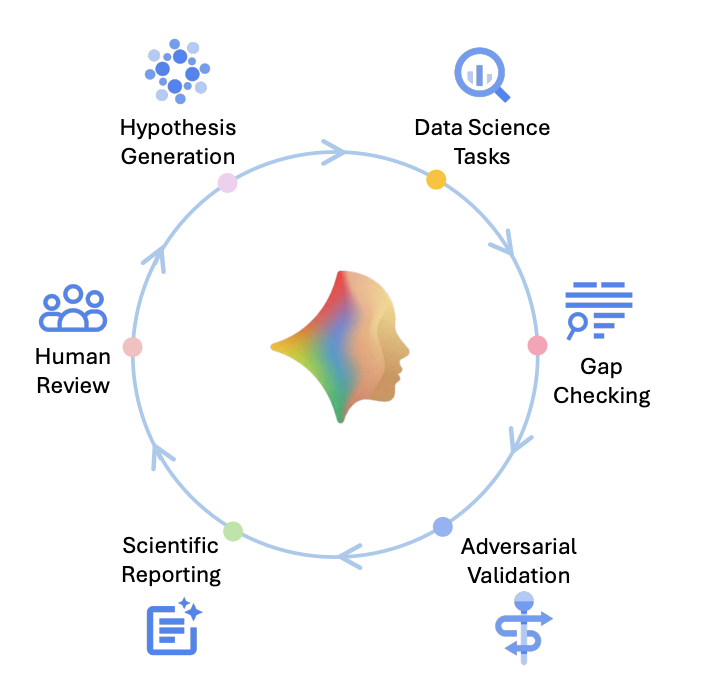
Yubin Kim, Salman Rahman, Samuel Schmidgall, Chunjong Park, A. Ali Heydari, Ahmed A. Metwally, Hong Yu, Xin Liu, ..., Shwetak Patel, ..., Hae Won Park, Vivek Natarajan, Hamid Palangi, Daniel McDuff arXiv preprint arXiv:2604.14615, 2026 CoDaS is an AI co-data-scientist that combines multi-agent hypothesis generation with statistical analysis to turn continuous wearable sensor signals into clinically reviewable biomarker hypotheses across nearly 9,300 participant observations, identifying circadian-instability patterns linked to depression and a cardiovascular-fitness metric associated with insulin resistance. |
|
SymptomAI: Toward a Conversational AI Agent for Everyday Symptom Assessment
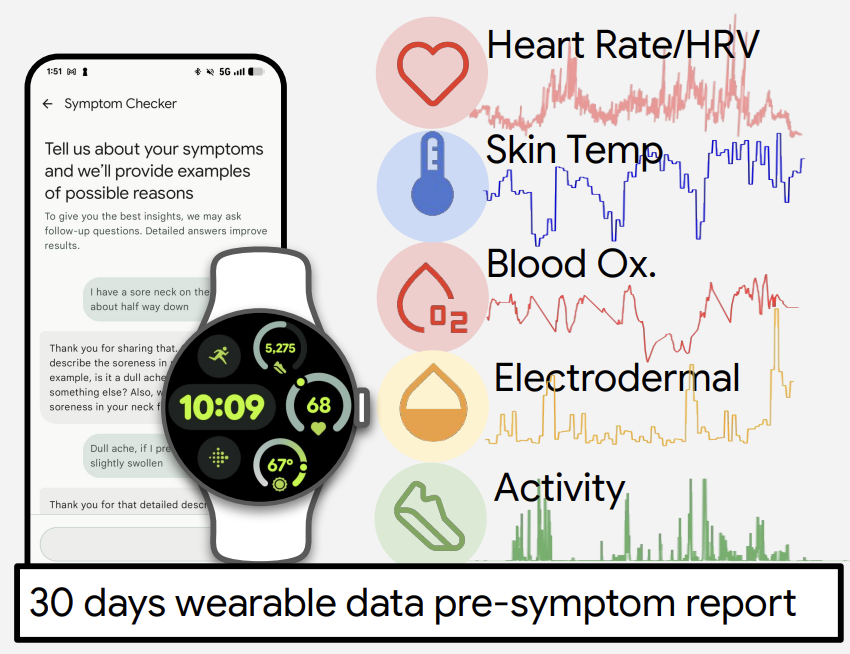
Joseph Breda, Fadi Yousif, Beszel Hawkins, Marinela Cotoi, Miao Liu, Ray Luo, Po-Hsuan Cameron Chen, Mike Schaekermann, Samuel Schmidgall, Xin Liu, ..., Shwetak Patel, ..., Nichole Young-Lin, Jake Sunshine, Daniel McDuff arXiv preprint arXiv:2605.04012, 2026 SymptomAI is a conversational AI agent for everyday symptom assessment, deployed through the Fitbit app in a randomized study with 13,917 participants across five AI agents. Against clinician-provided diagnoses, SymptomAI differentials were significantly more accurate (OR = 2.56) than those from independent clinicians, and dedicated symptom interviews substantially outperformed user-guided conversations with consumer LLM defaults. |
|
Patients With Personality: Realistic Patient Simulation through Controlled Diversity and Selective Disclosure
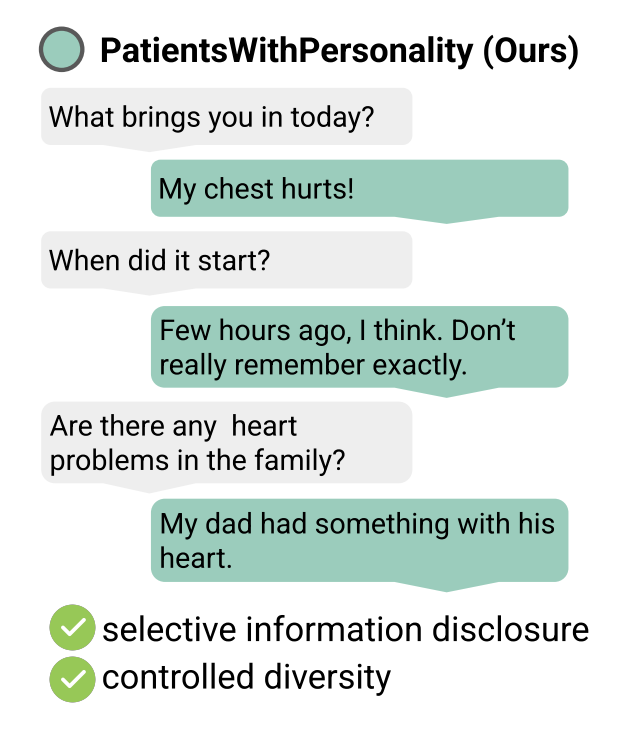
Moritz Schlager, Friederike Jungmann, Samuel Schmidgall, Philipp Raffler, Franziska Hartl, Eva Wende, Paula Roßmüller, Conrad Ketzer, Avinatan Hassidim, Dale R. Webster, Yossi Matias, Yun Liu, Daniel Rueckert, Mike Schaekermann, Paul Hager arXiv preprint arXiv:2606.17441, 2026 Patients With Personality (PWP) is a framework for simulating realistic and diverse virtual patients by grounding each patient in the six-dimensional HEXACO personality space, enabling fine-grained control over conversational style, cooperativeness, and information disclosure. In clinician evaluations, PWP patients achieve near-parity with human actors and substantially outperform prior simulators, which are frequently flagged as unrealistically informative. |
|
TeamBench: Evaluating Agent Coordination under Enforced Role Separation
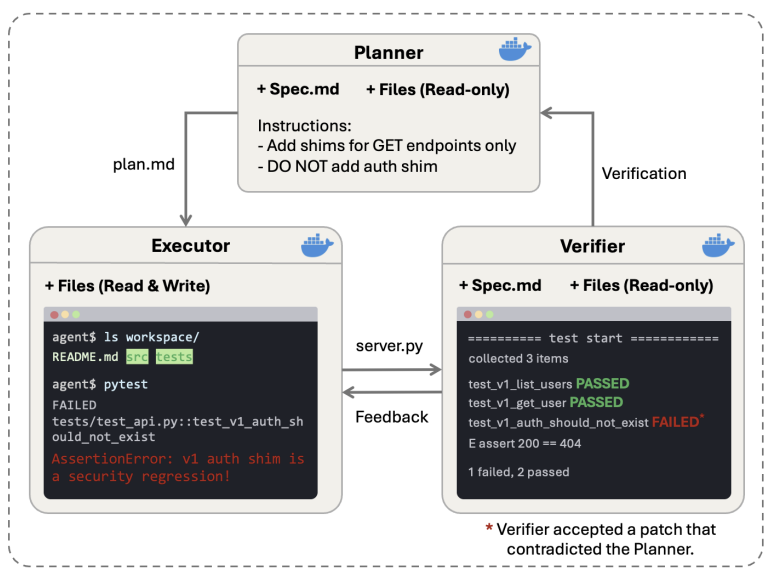
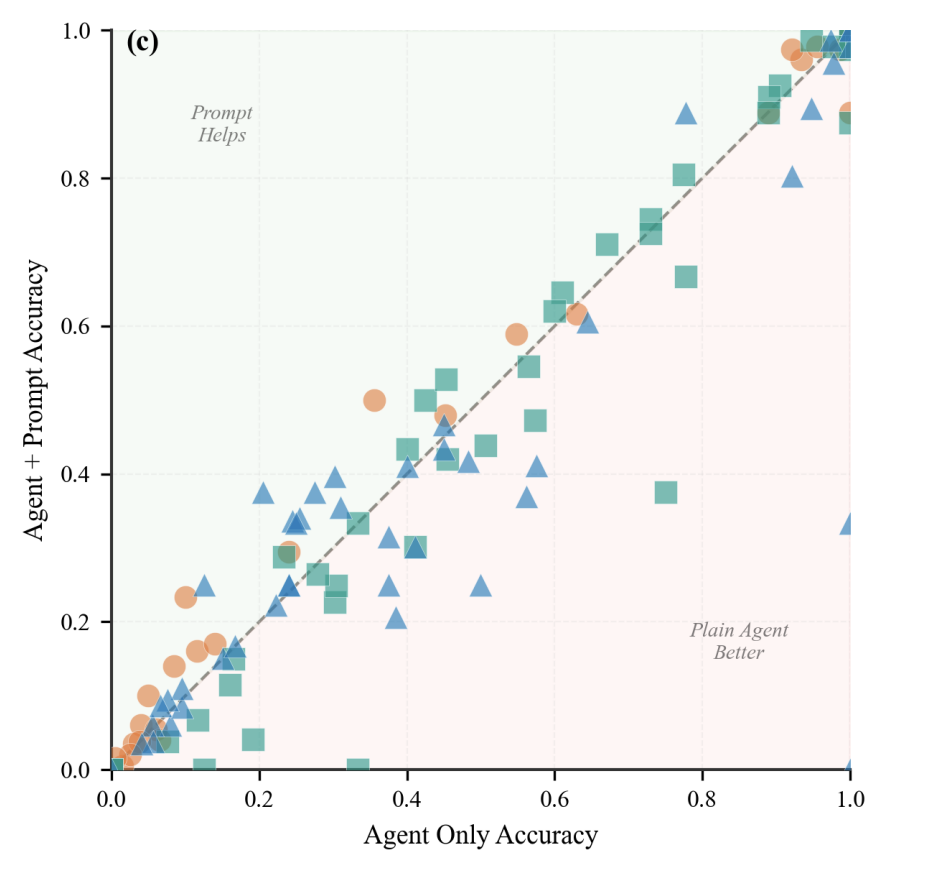
Yubin Kim, Chanwoo Park, Taehan Kim, Eugene Park, Samuel Schmidgall, Salman Rahman, Chunjong Park, Cynthia Breazeal, Xin Liu, Hamid Palangi, Hae Won Park, Daniel McDuff arXiv preprint arXiv:2605.07073, 2026 TeamBench evaluates how agent teams coordinate under system-enforced role separation, splitting specification access, workspace modification, and answer verification across Planner, Executor, and Verifier roles over 851 task templates. Prompt-based and sandbox-enforced teams achieve comparable success rates, but prompt-only configurations produce 3.6 times more role violations, and team structures help only when individual agents perform poorly. |
|
Proof of Time: A Benchmark for Evaluating Scientific Idea Judgments
Bingyang Ye, Shan Chen, Jingxuan Tu, Chen Liu, Zidi Xiong, Samuel Schmidgall, Danielle S. Bitterman arXiv preprint arXiv:2601.07606, 2026 Proof of Time (PoT) is a semi-verifiable benchmarking framework that links scientific idea judgments to downstream signals that only become observable later, such as citations and shifts in researchers' agendas. Evidence snapshots are frozen before a cutoff date and models must predict outcomes occurring afterward, evaluated across more than 30,000 instances spanning four domains. |
|
Capable language models can outgrow the benefits of collaboration
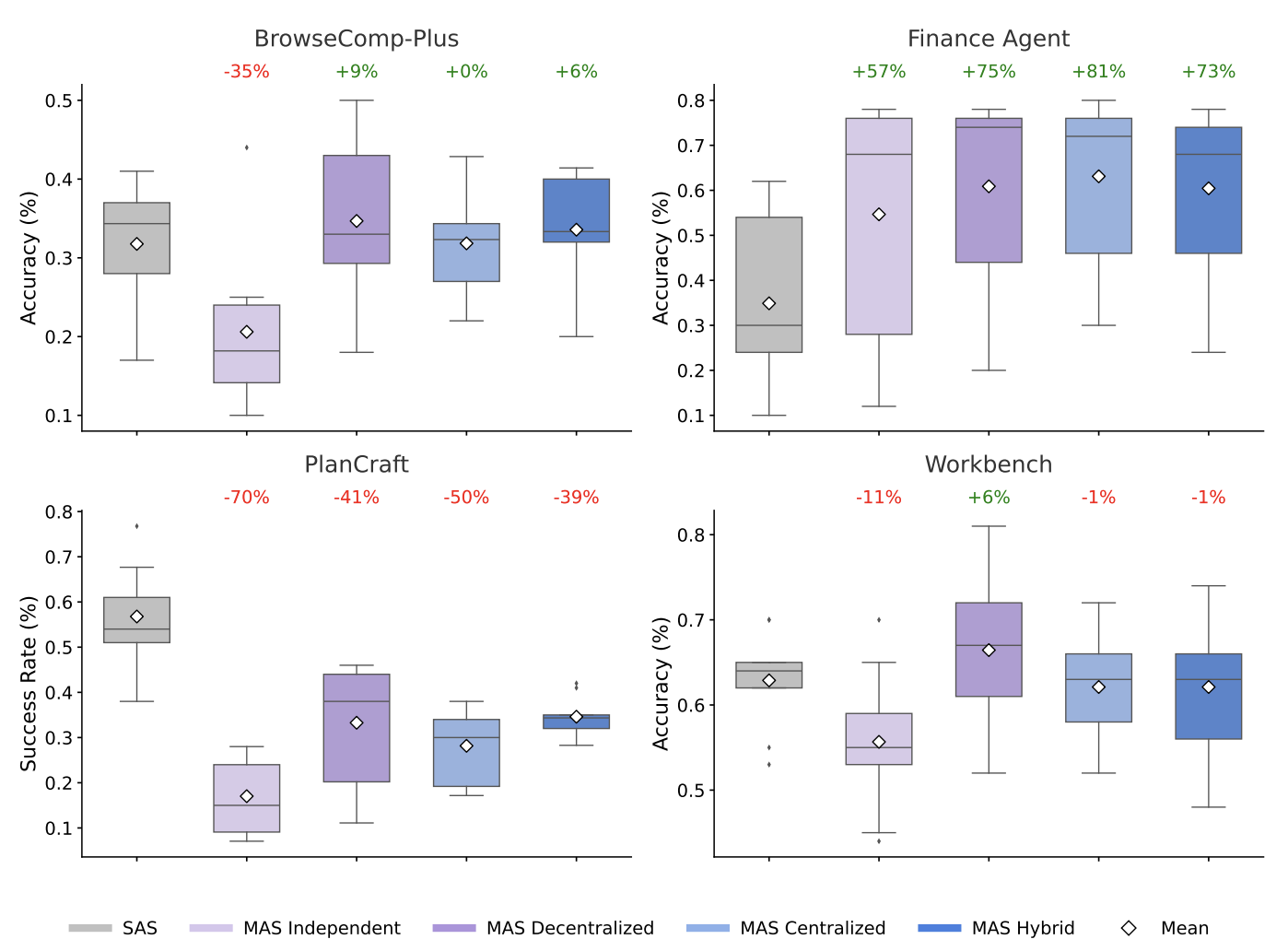
Yubin Kim, Ken Gu, Chanwoo Park, Chunjong Park, Samuel Schmidgall, A. Ali Heydari, Yao Yan, Zhihan Zhang, Yuchen Zhuang, Mark Malhotra, Paul Pu Liang, Hae Won Park, Yuzhe Yang, Xuhai Xu, Yilun Du, Shwetak Patel, Tim Althoff, Daniel McDuff and Xin Liu Nature Machine Intelligence, 2026 A controlled experiment holding task prompts, tools, and compute budgets constant while varying only coordination structure and model capability, across 260 configurations spanning six benchmarks, five architectures, and three LLM families. Single-agent baseline performance is the most robust predictor of whether coordination helps, and an empirical capability-saturation threshold beyond which additional agents are unlikely to improve performance correctly predicts the effect of multi-agent coordination in 94% of validation configurations on SWE-bench Verified and Terminal-Bench. |

|
Current validation practice undermines surgical AI development
Annika Reinke, Ziying O Li, Minu D Tizabi, Pascaline André, Marcel Knopp, Mika M Rother, Ines P Machado, Maria S Altieri, ..., Duygu Sarikaya, Samuel Schmidgall, Matthias Seibold, ..., Amin Madani, Danail Stoyanov, Stefanie Speidel, Danail A Hashimoto, Fiona R Kolbinger, Lena Maier-Hein arXiv preprint arXiv:2511.03769, 2025 We introduce the first comprehensive catalog of validation pitfalls in AI-based surgical video analysis that was derived from a multi-stage Delphi process with 91 international experts. The collected pitfalls span three categories: (1) data (e.g., incomplete annotation, spurious correlations), (2) metric selection and configuration (e.g., neglect of temporal stability, mismatch with clinical needs), and (3) aggregation and reporting (e.g., clinically uninformative aggregation, failure to account for frame dependencies in hierarchical data structures). . |
|
MedGemma Technical Report
MedGemma Team at Google Research and Google DeepMind arXiv preprint arXiv:2507.05201, 2025 MedGemma is a collection of medical vision-language foundation models based on Gemma 3 4B and 27B. MedGemma demonstrates advanced medical understanding and reasoning on images and text, significantly exceeding the performance of similar-sized generative models and approaching the performance of task-specific models, while maintaining the general capabilities of the Gemma 3 base models. |
|
SRT-H: A Hierarchical Framework for Autonomous Surgery via Language Conditioned Imitation Learning
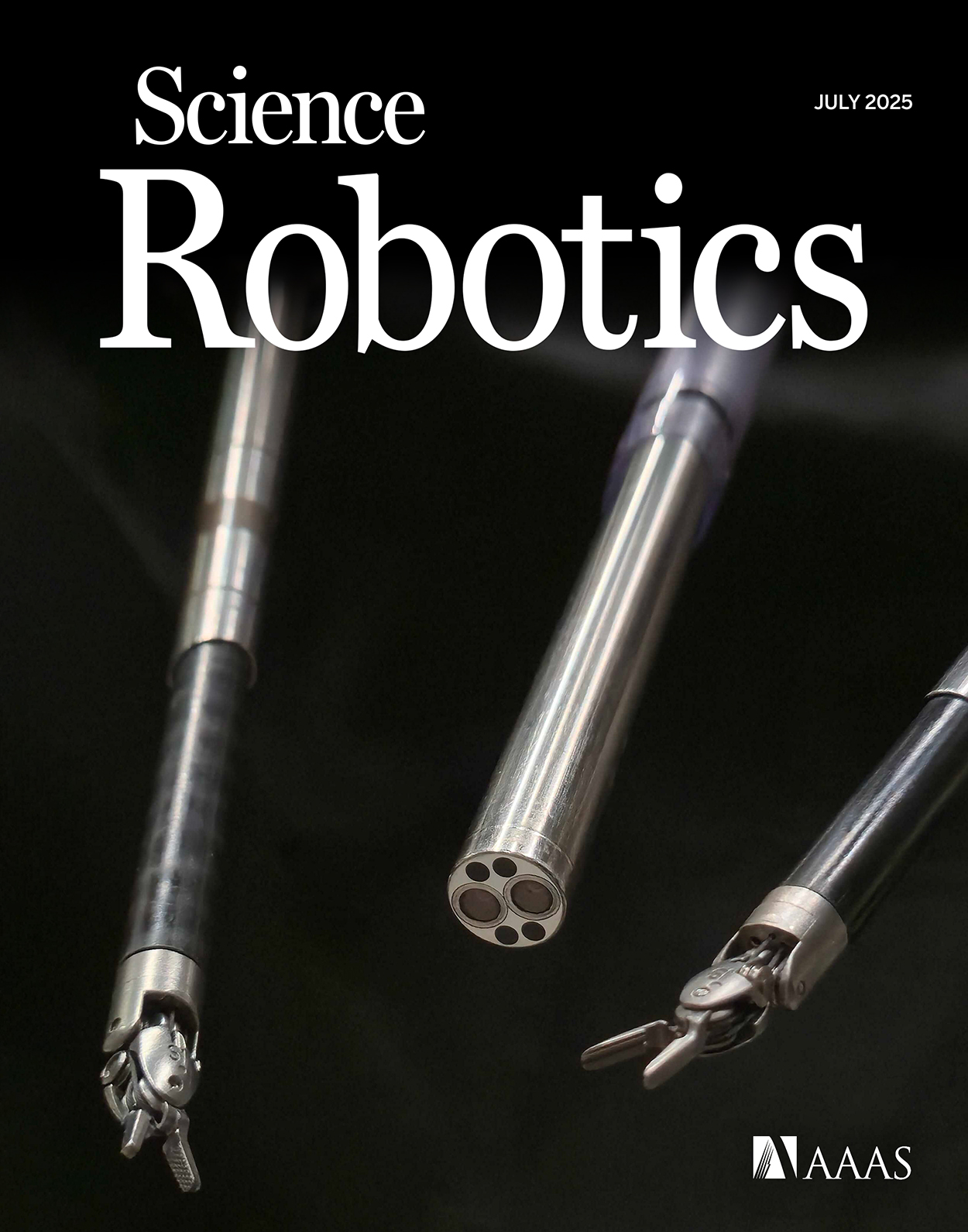
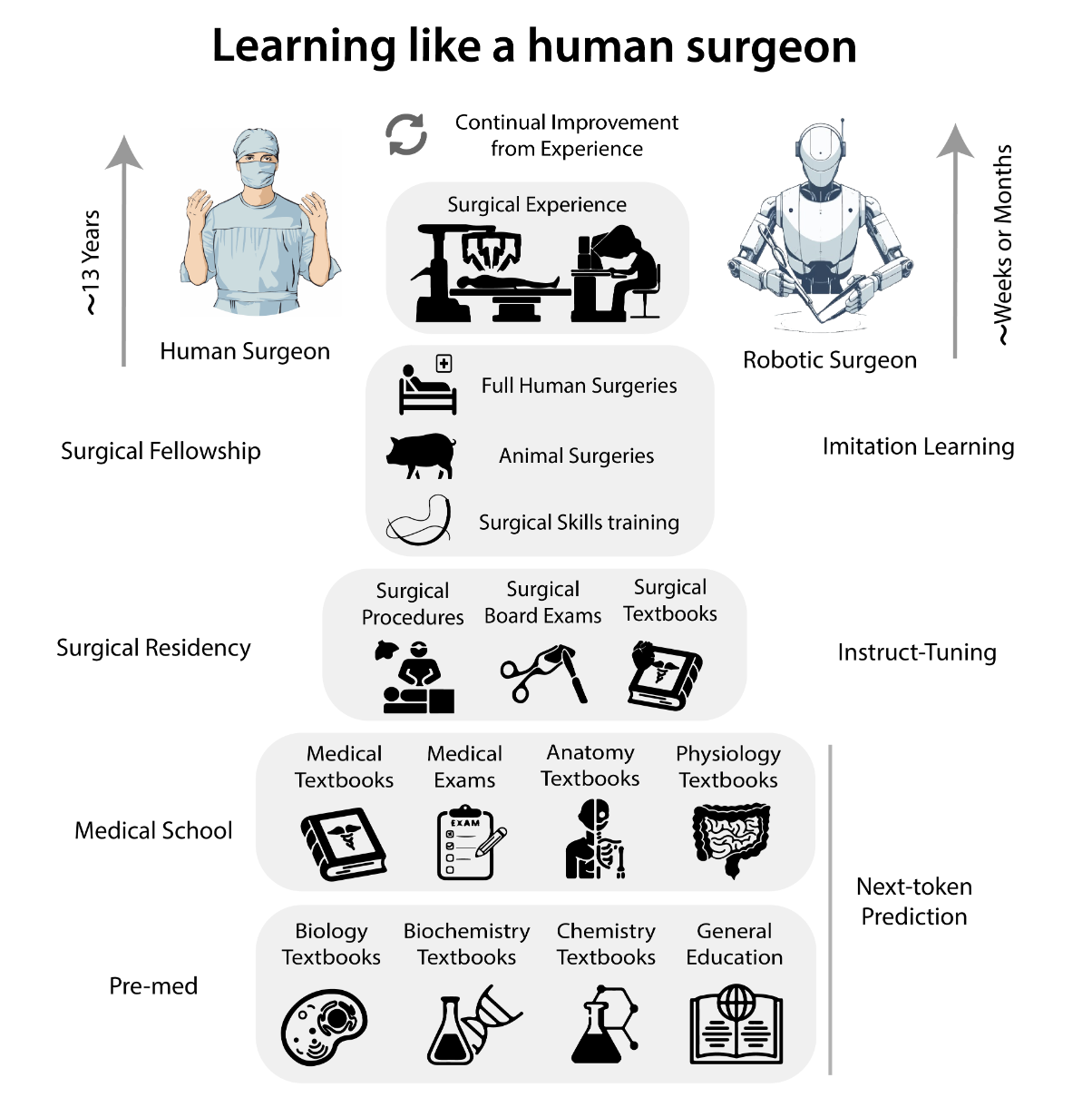
Ji Woong Kim, Juo-Tung Chen, Pascal Hansen, Lucy X. Shi, Antony Goldenberg, Samuel Schmidgall, Paul Maria Scheikl, Anton Deguet, Brandon M. White, De Ru Tsai, Richard Cha, Jeffrey Jopling, Chelsea Finn, Axel Krieger Science Robotics, 2025 SRT-H utilizes a high-level policy for task planning and a low-level policy for generating low-level trajectories. The high-level planner plans in language space, generating task or corrective instructions to guide the robot through the long-horizon steps and correct for the low-level policy's errors. We validate our framework through ex vivo experiments on cholecystectomy, a commonly-practiced minimally invasive procedure, and conduct ablation studies to evaluate key components of the system. Our method achieves a 100% success rate across n=8 different ex-vivo gallbladders, operating fully autonomously without human intervention. |
|
Will your next surgeon be a robot? Autonomy and AI
in robotic surgery
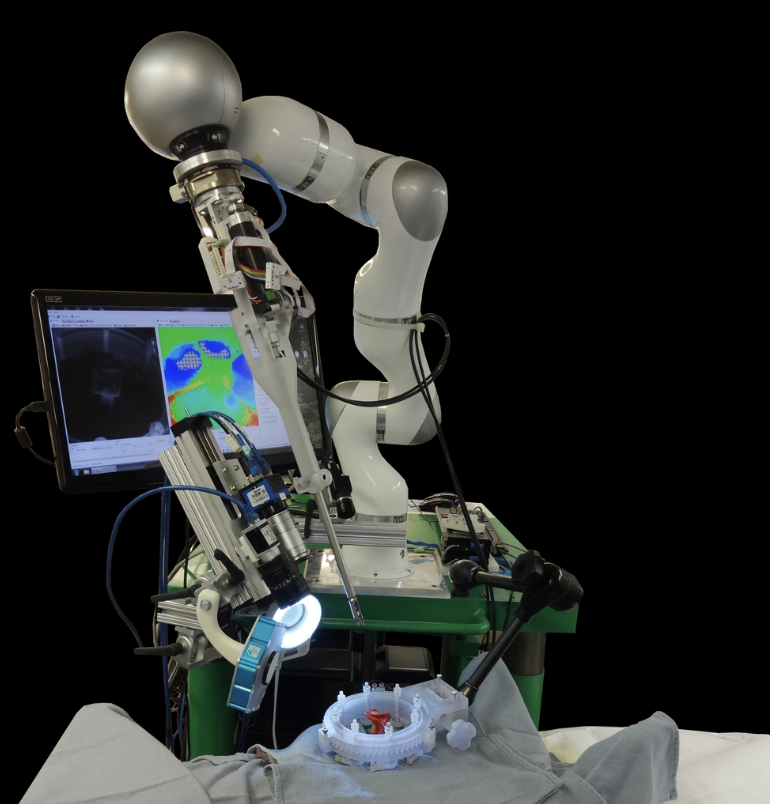
Samuel Schmidgall, Justin Opfermann, Ji Woong Kim, Axel Krieger Science Robotics, 2025 State-of-the-art surgery is performed robotically under direct surgeon control. However, surgical outcome is limited by the availability, skill, and day-to-day performance of the operating surgeon. What will it take to improve surgical outcomes independent of human limitations? In this review, we explore the technological evolution of robotic surgery and current trends in robotics and AI which could lead to a future generation of autonomous surgical robots that will outperform today’s tele-operated robots. |
|
More Autonomy for Surgical Robots
Justin Opfermann, Samuel Schmidgall, Axel Krieger IEEE Spectrum, 2025 A feature article on next-generation autonomous surgical systems that can suture soft tissue with minimal human input, and what it will take to bring surgical autonomy from the lab into the operating room. |
|
TxGemma: Efficient and Agentic LLMs for Therapeutics
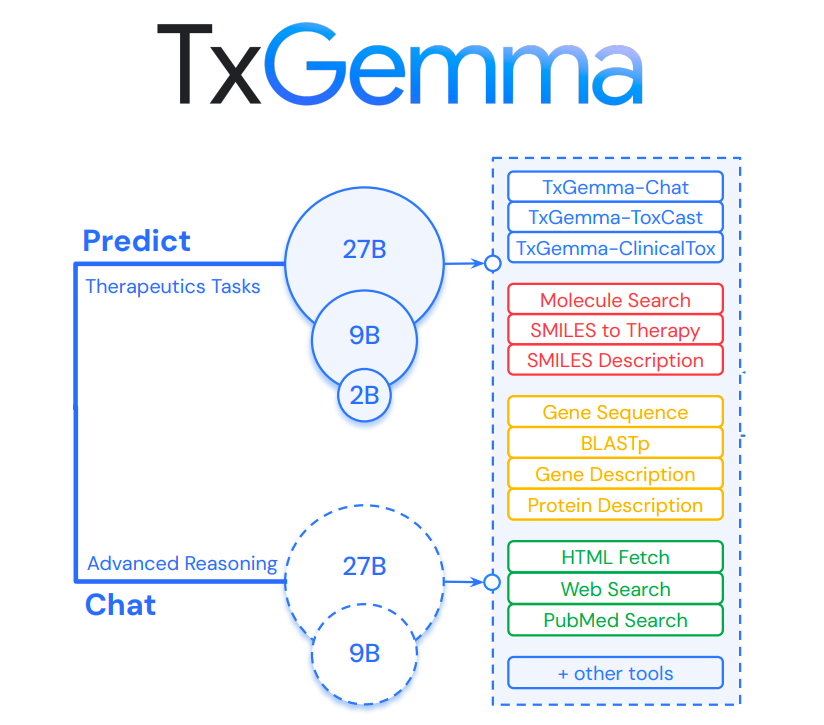
Eric Wang*, Samuel Schmidgall*, Paul F. Jaeger, Fan Zhang, Rory Pilgrim, Yossi Matias, Joelle Barral, David Fleet, and Shekoofeh Azizi arXiv preprint arXiv:2504.06196, 2025 Here we introduce TxGemma, a suite of efficient, generalist large language models (LLMs) capable of therapeutic property prediction as well as interactive reasoning and explainability. Unlike task-specific models, TxGemma synthesizes information from diverse sources, enabling broad application across the therapeutic development pipeline. The suite includes 2B, 9B, and 27B parameter models, fine-tuned from Gemma-2 on a comprehensive dataset of small molecules, proteins, nucleic acids, diseases, and cell lines. |
|
AgentRxiv: Towards Collaborative Autonomous Research
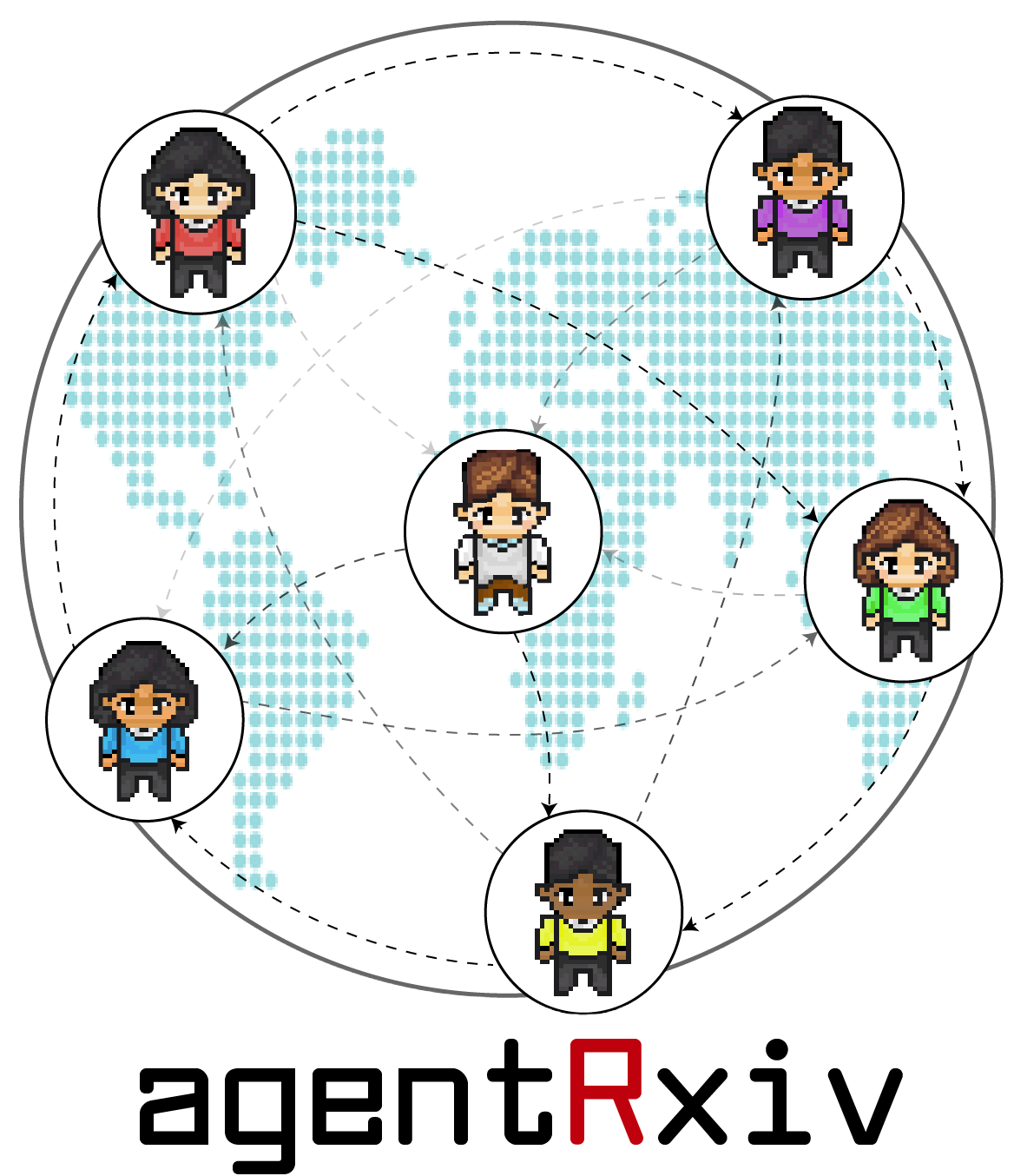
Samuel Schmidgall, Michael Moor arXiv preprint arXiv:2503.18102, 2025 Here, we introduce AgentRxiv, a centralized preprint server designed specifically for autonomous research agents to overcome the limitations of isolated research outputs by enabling collaborative, cumulative knowledge sharing. We find that agents sharing research have substantial performance improvements when making discoveries. |

|
Agent Laboratory: Using LLM Agents as Research Assistants
Samuel Schmidgall, Yusheng Su, Ze Wang, Ximeng Sun, Jialian Wu, Xiaodong Yu, Jiang Liu, Michael Moor, Zicheng Liu, Emad Barsoum Findings of the Association for Computational Linguistics: EMNLP, 2025 Here, we introduce Agent Laboratory, an open-source large language model (LLM) agent framework for accelerating the individual’s ability to perform research. Agent Laboratory takes a human-produced research idea as input and outputs a code repository and a research report. This is accomplished through specialized agents driven by LLMs that collaborate to perform research based on the human’s preference for the agent’s involvement. |
|
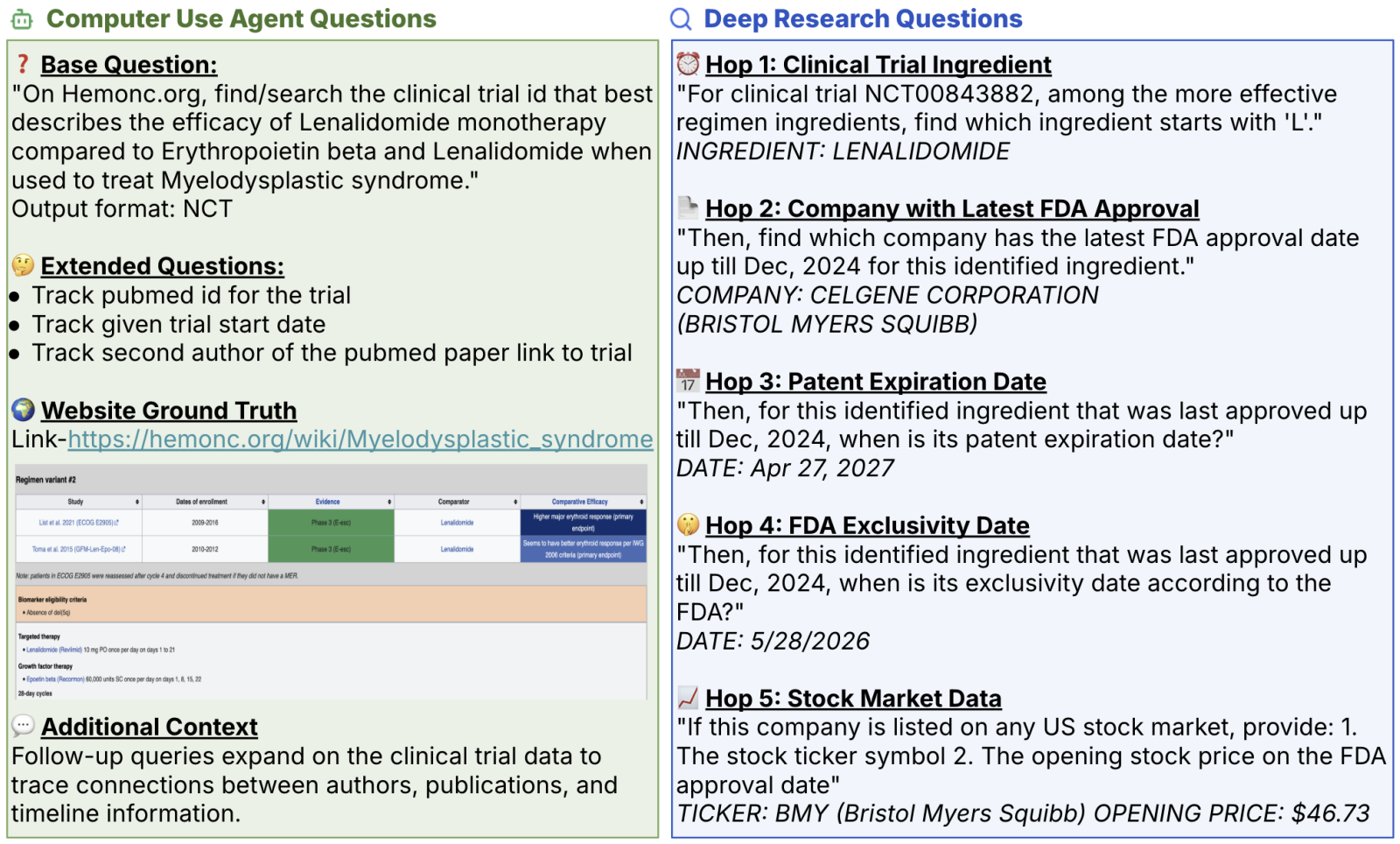
MedBrowseComp: Benchmarking Medical Deep Research and Computer Use
Shan Chen, Pedro Moreira, Yuxin Xiao, Samuel Schmidgall, Jeremy Warner, Hugo Aerts, Thomas Hartvigsen, Jack Gallifant, Danielle S. Bitterman arXiv preprint arXiv:2505.14963, 2025 MedBrowseComp is the first benchmark that systematically tests an agent's ability to reliably retrieve and synthesize multi-hop medical facts from live knowledge bases. MedBrowseComp contains more than 1,000 human-curated questions that mirror clinical scenarios where practitioners must reconcile fragmented or conflicting information to reach an up-to-date conclusion. |
|
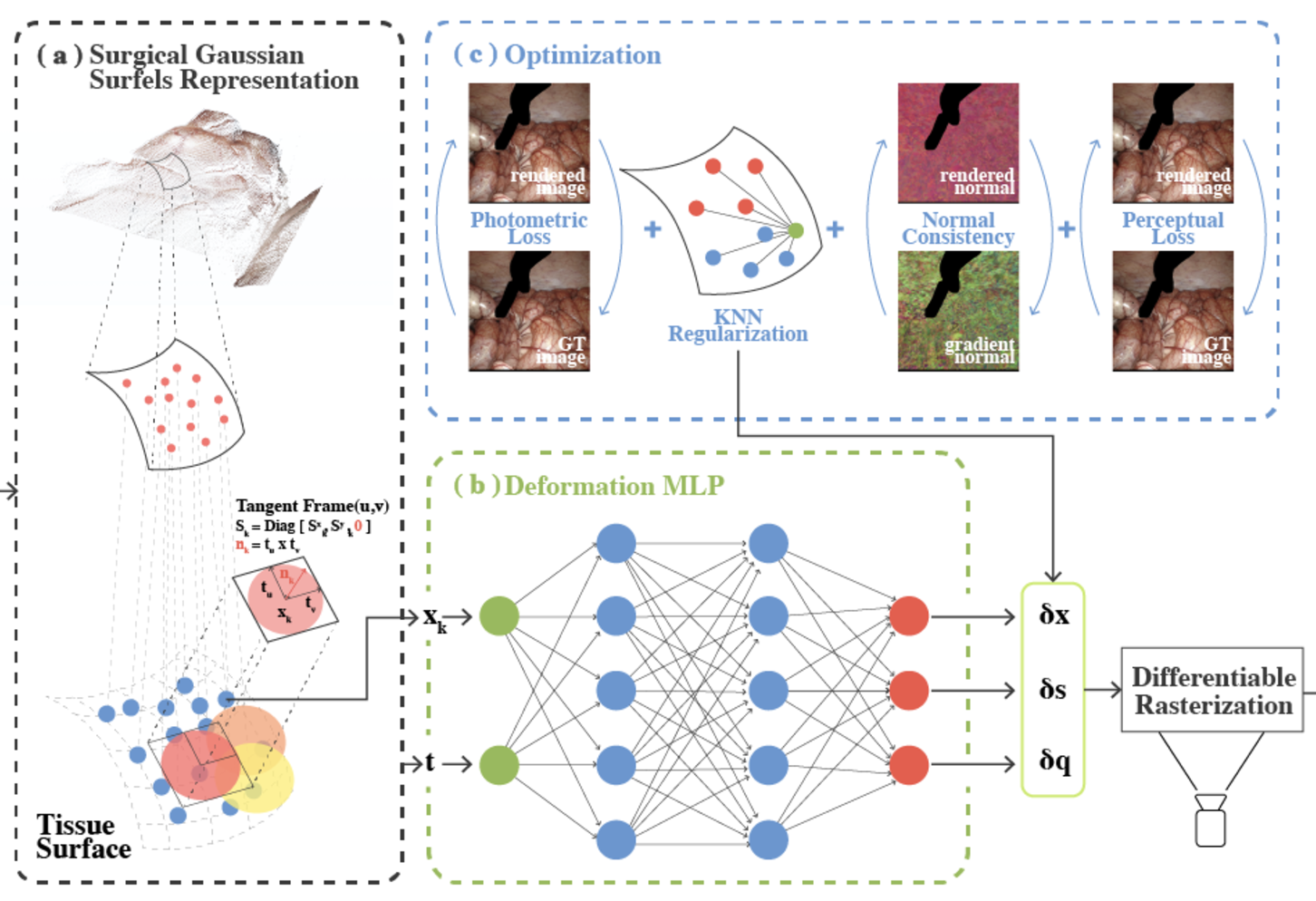
Surgical Gaussian Surfels: Highly Accurate Real-time Surgical Scene Rendering
Idris O. Sunmola, Zhenjun Zhao, Samuel Schmidgall, Yumeng Wang, Paul Maria Scheikl, Axel Krieger IEEE/CVF Winter Conference on Applications of Computer Vision (WACV), 2026 Surgical Gaussian Surfels (SGS) transforms anisotropic point primitives into surface-aligned elliptical splats by constraining the scale component of the Gaussian covariance matrix along the view-aligned axis. |
|
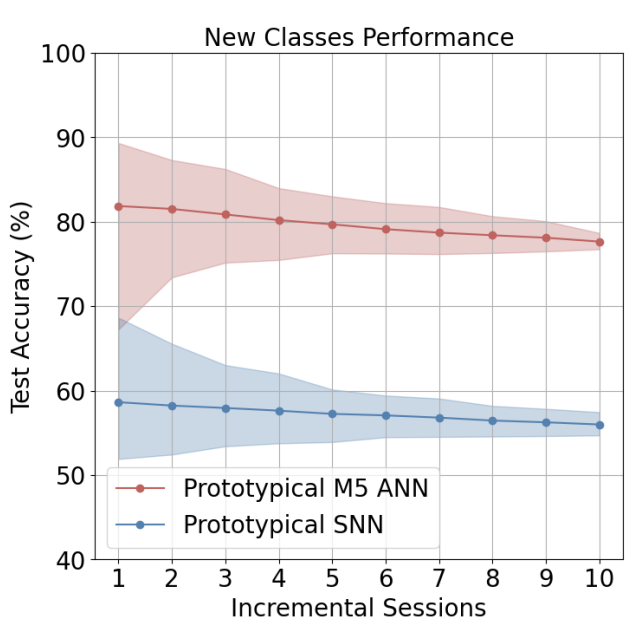
NeuroBench: A Framework for Benchmarking Neuromorphic Computing Algorithms and Systems
Jason Yik, Korneel Van den Berghe, Douwe den Blanken, Younes Bouhadjar, Maxime Fabre, Paul Hueber, Denis Kleyko, ..., Johannes Schemmel, Samuel Schmidgall, Catherine Schuman, ..., Marian Verhelst, Craig M. Vineyard, Bernhard Vogginger, Amirreza Yousefzadeh, Fatima Tuz Zohora, Charlotte Frenkel, Vijay Janapa Reddi Nature Communications, 2025 Neurobench is a collaborative effort of nearly 100 co-authors across over 50 institutions in industry and academia, aiming to provide a representative structure for standardizing the evaluation of neuromorphic approaches. |
|
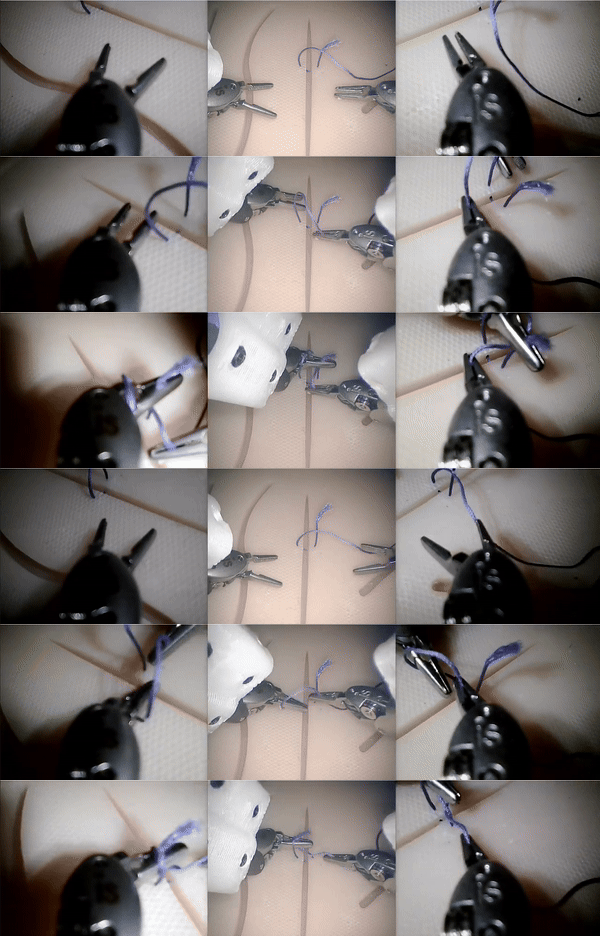
Surgical Robot Transformer (SRT): Imitation Learning for Surgical Tasks
Ji Woong Kim, Tony Z. Zhao, Samuel Schmidgall, Anton Deguet, Marin Kobilarov, Chelsea Finn, Axel Krieger Conference on Robot Learning (CoRL), 2024 Here, we introduce the Surgical Robot Transformer (SRT). We explore whether surgical manipulation tasks can be learned on the da Vinci robot via imitation learning. We demonstrate our findings through successful execution of three surgical tasks, including tissue manipulation, needle handling, and knot-tying. |
|
Preoperative risk prediction of major cardiovascular events in noncardiac surgery using the 12-lead electrocardiogram: an explainable deep learning approach
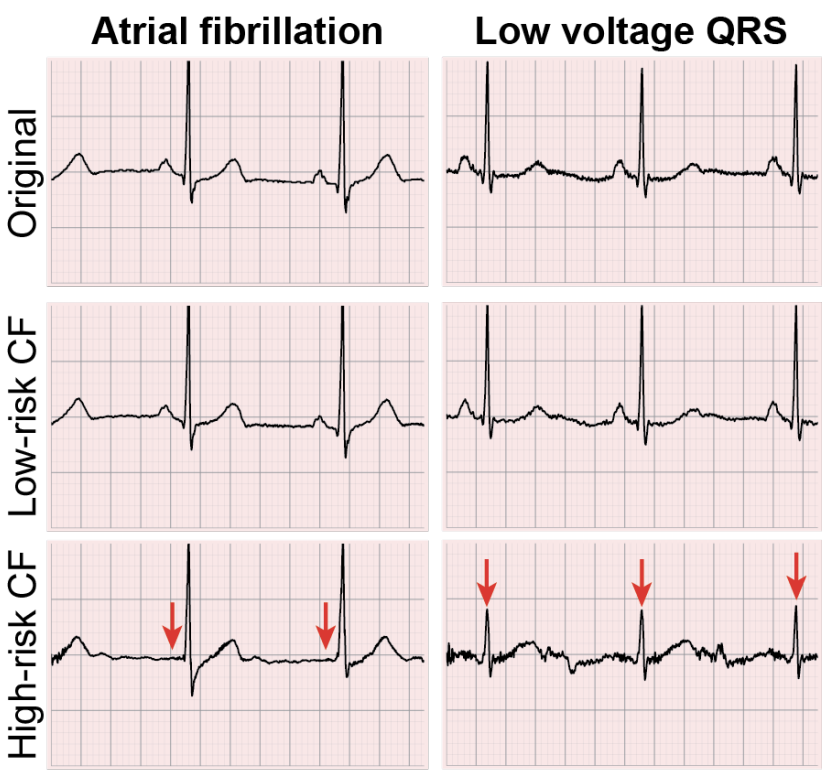
Carl Harris, Anway Pimpalkar, Ataes Aggarwal, Jiyuan Yang, Xiaojian Chen, Samuel Schmidgall, Sampath Rapuri, Joseph Greenstein, Casey Overby Taylor, Robert David Stevens British Journal of Anaesthesia, 2025 To improve on existing noncardiac surgery risk scores, this work proposes a novel approach which leverages features of the preoperative 12-lead electrocardiogram to predict major adverse postoperative outcomes. |
|
General-purpose foundation models for increased autonomy in robot-assisted surgery
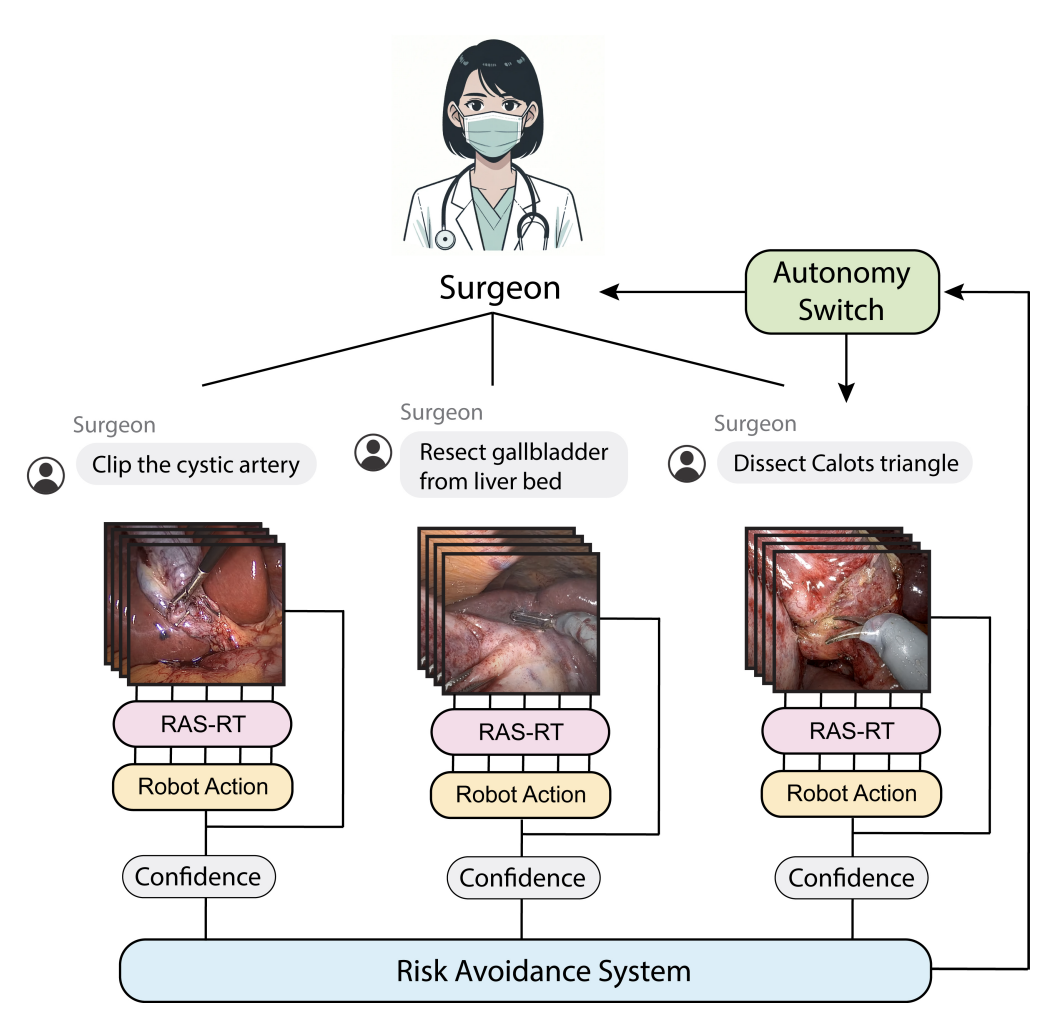
Samuel Schmidgall, Ji Woong Kim, Alan Kuntz, Ahmed Ezzat Ghazi, Axel Krieger Nature Machine Intelligence, 2024 This perspective aims to provide a path toward increasing robot autonomy in robot-assisted surgery through the development of a multi-modal, multi-task, vision-language-action model for surgical robots. |
|
SurGen: Text-Guided Diffusion Model for Surgical Video Generation
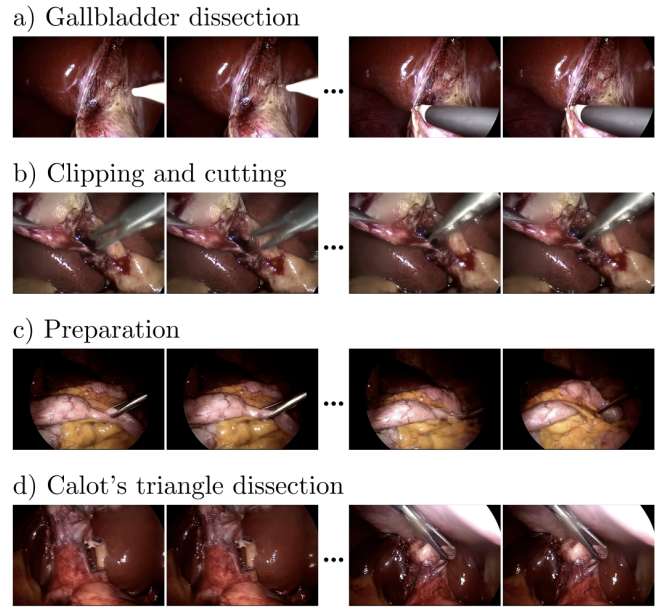
Joseph Cho, Samuel Schmidgall, Cyril Zakka, Mrudang Mathur, Rohan Shad, William Hiesinger arXiv preprint arXiv:2405.07960, 2024 This paper introduces SurGen, a text-guided diffusion model tailored for surgical video synthesis, producing the highest resolution and longest duration videos among existing surgical video generation models. |
|
AgentClinic: a multimodal benchmark for tool-using clinical AI agents
Samuel Schmidgall, Rojin Ziaei, Carl Harris, Eduardo Reis, Jeffrey Jopling, Michael Moor npj Digital Medicine, 2026 AgentClinic turns static medical QA problems into agents in a clinical environment in order to present a more clinically relevant challenge for multimodal language models. Here, we introduce AgentClinic, a multimodal agent benchmark for evaluating LLMs in simulated clinical environments that include patient interactions, multimodal data collection under incomplete information, and the usage of various tools, resulting in an in-depth evaluation across nine medical specialties and seven languages. |
|
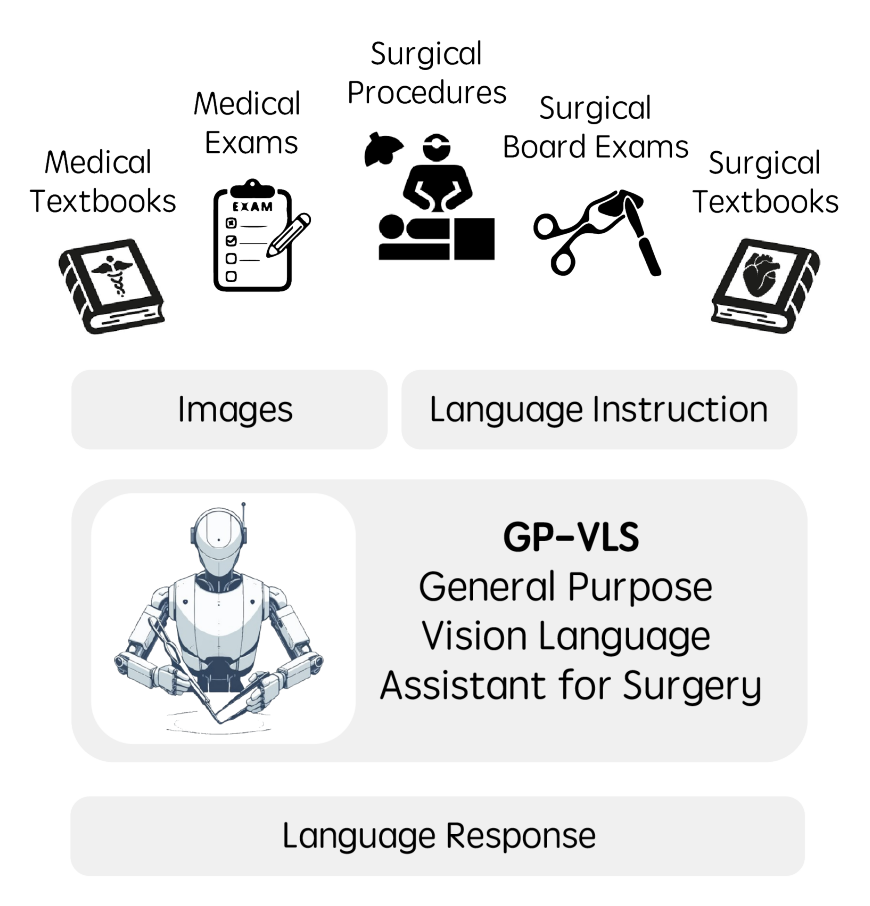
GP-VLS: A general-purpose vision language model for surgery
Samuel Schmidgall*, Joseph Cho*, Cyril Zakka, William Hiesinger arXiv preprint arXiv:2407.19305, 2024 This paper introduces GP-VLS, a general-purpose vision language model for surgery that integrates medical and surgical knowledge with visual scene understanding. For comprehensively evaluating general-purpose surgical models, we propose SurgiQual, which evaluates across medical and surgical knowledge benchmarks as well as surgical vision-language questions. To train GP-VLS, we develop six new datasets spanning medical knowledge, surgical textbooks, and vision-language pairs for tasks like phase recognition and tool identification. |
|
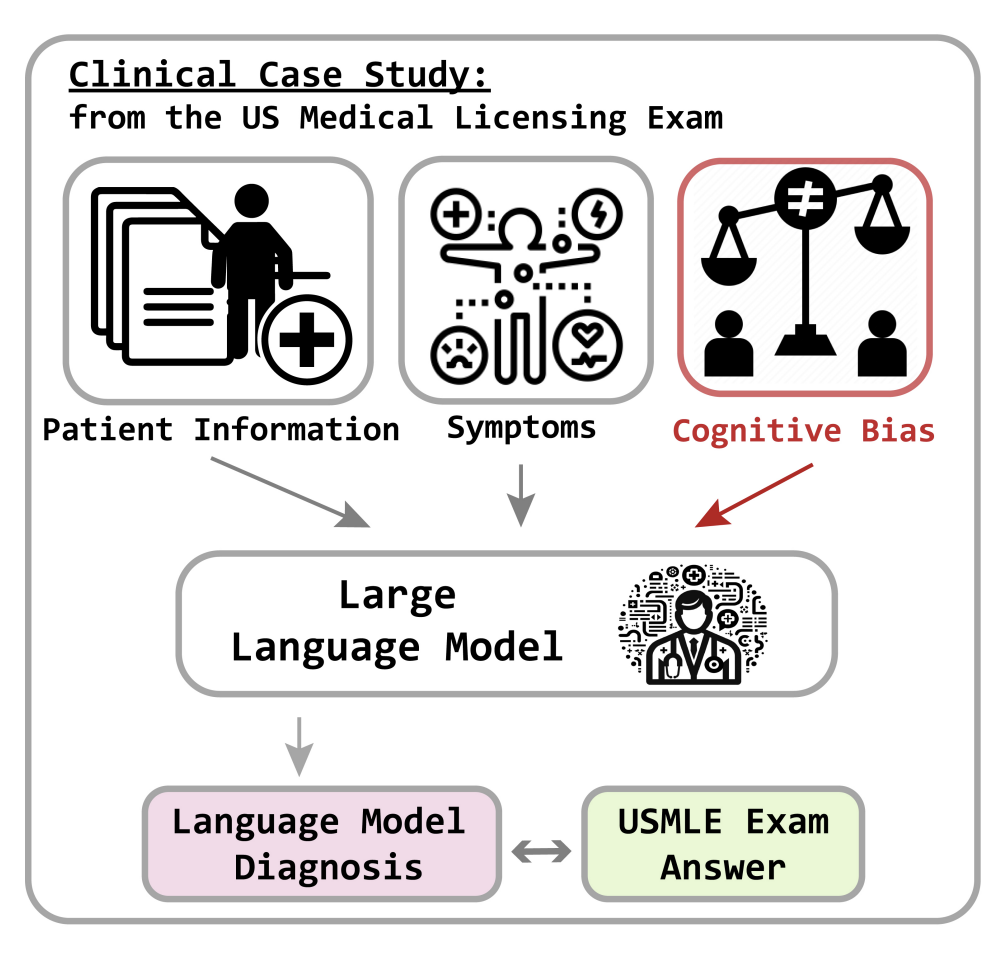
Addressing and mitigating cognitive bias in medical language models
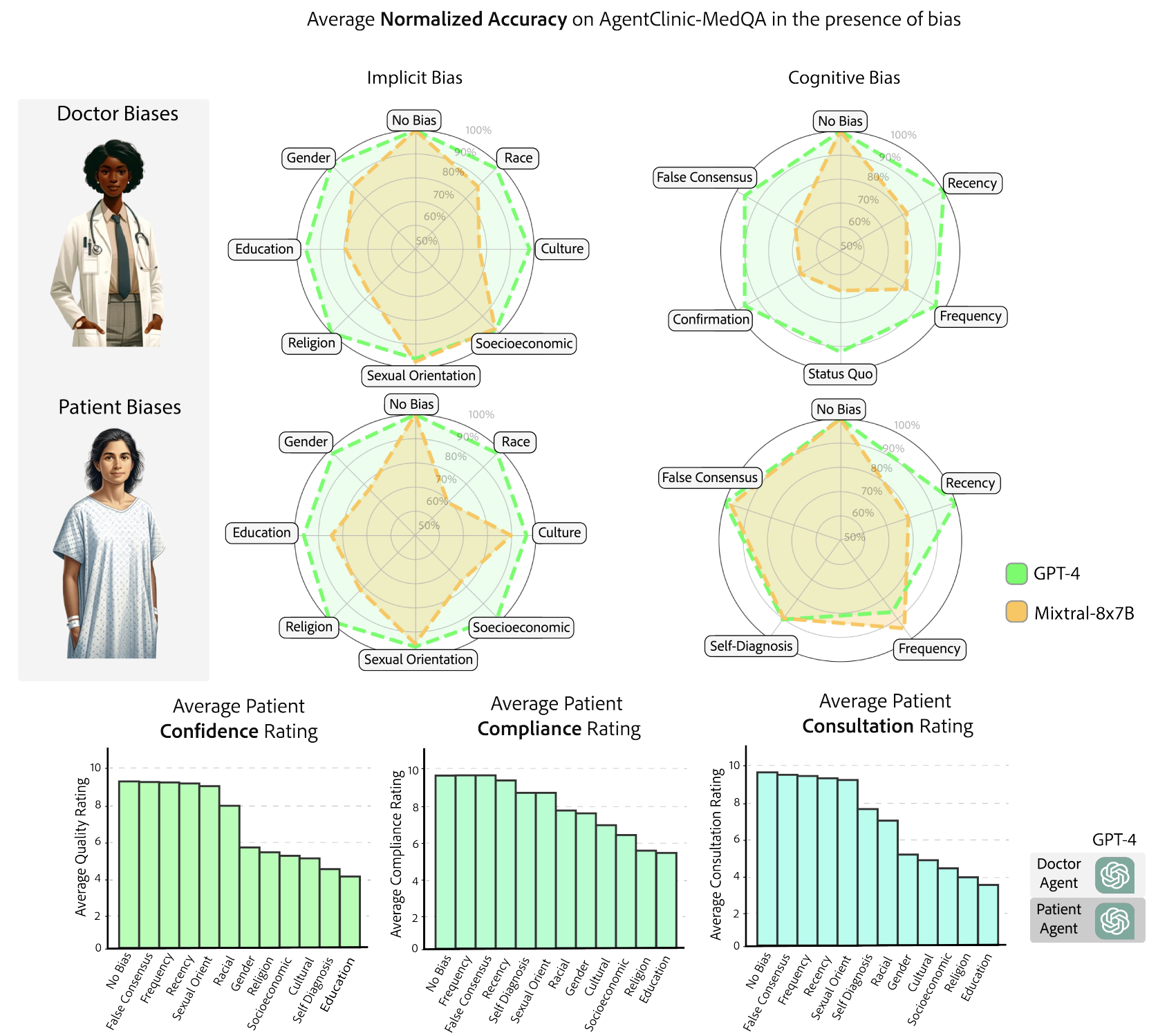
Samuel Schmidgall, Carl Harris, Ime Essien, Daniel Olshvang, Tawsifur Rahman, Ji Woong Kim, Rojin Ziaei, Jason Eshraghian, Peter Abadir, Rama Chellappa npj Digital Medicine, 2024 The addition of simple cognitive bias prompts significantly degrades performance. We introduce BiasMedQA to evaluate bias robustness on medical QA problems, and demonstrate mitigation techniques. |
|
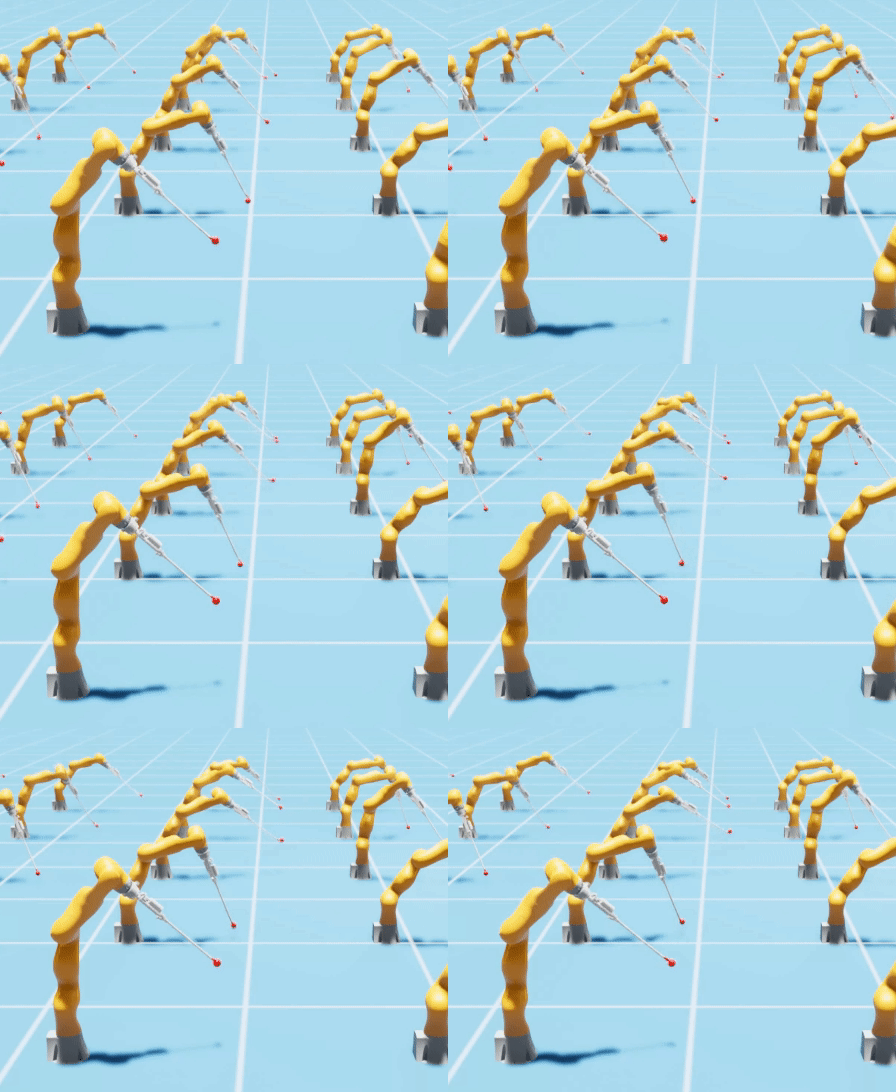
Surgical Gym: A high-performance GPU-based platform for reinforcement learning with surgical robots
Samuel Schmidgall, Jason Eshraghian, Axel Krieger 2024 IEEE International Conference on Robotics and Automation (ICRA), 2024 Surgical Gym is an open-source high performance platform for surgical robot learning where both the physics simulation and reinforcement learning occur directly on the GPU. |
|
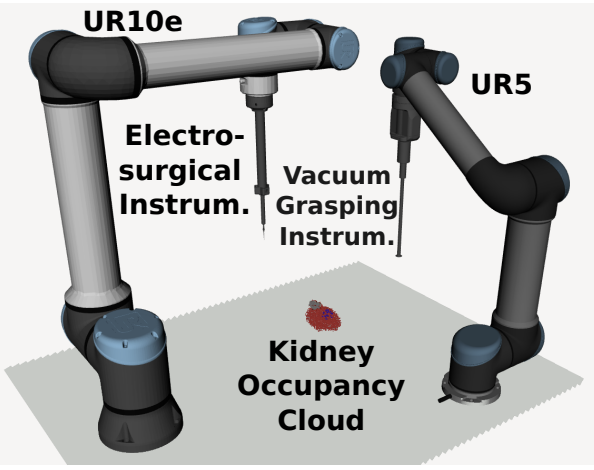
Tracking Tumors under Deformation from Partial Point Clouds using Occupancy Networks
Pit Henrich, Jiawei Liu, Jiawei Ge, Samuel Schmidgall, Lauren Shepard, Ahmed Ezzat Ghazi, Franziska Mathis-Ullrich, Axel Krieger 2024 IEEE/RSJ International Conference on Intelligent Robots and Systems (IROS), 2024 This work introduces an occupancy network-based method for the localization of tumors within kidney phantoms undergoing deformations at interactive speeds. |
|
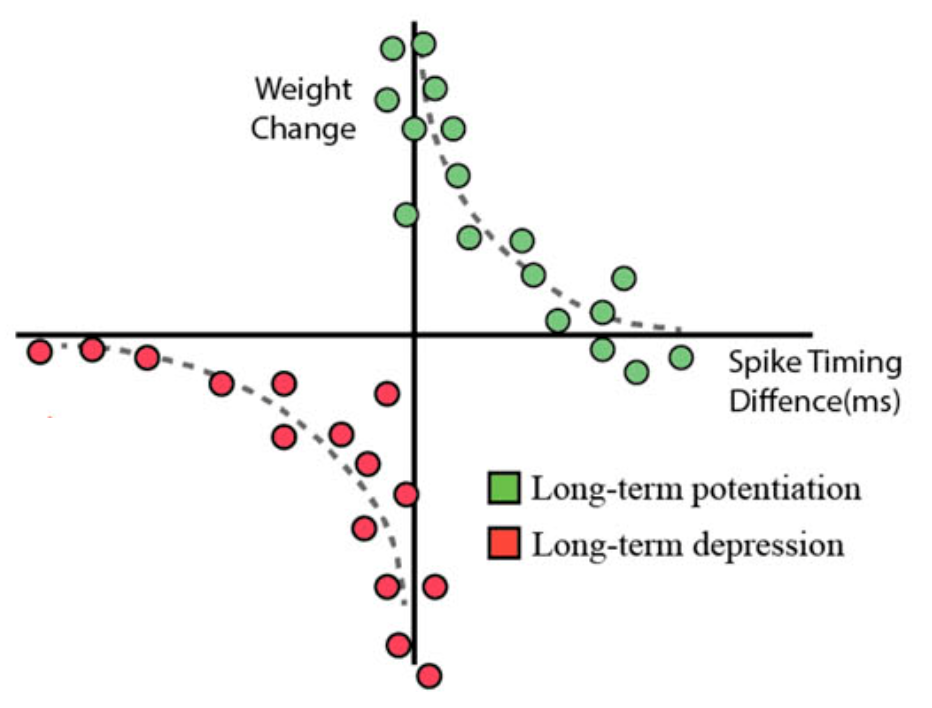
Brain-inspired learning in artificial neural networks: a review
Samuel Schmidgall, Rojin Ziaei, Jascha Achterberg, Louis Kirsch, Pardis Hajiseyedrazi, Jason Eshraghian APL Machine Learning, 2024 Comprehensive review of current brain-inspired learning representations in artificial neural networks. |
|
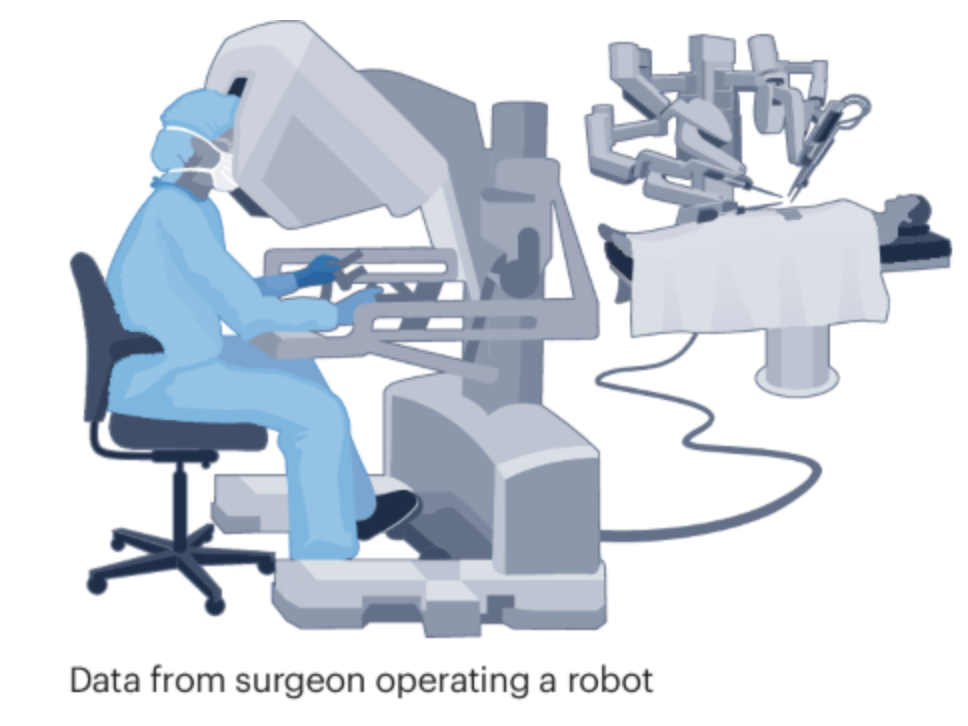
Robots learning to imitate surgeons—challenges and possibilities
Samuel Schmidgall, Ji Woong Kim, Axel Krieger Nature Reviews Urology, 2024 Autonomous surgical robots have the potential to transform surgery and increase access to quality health care. Advances in artificial intelligence have produced robots mimicking human demonstrations. This application might be feasible for surgical robots but is associated with obstacles in creating robots that emulate surgeon demonstrations. |
|
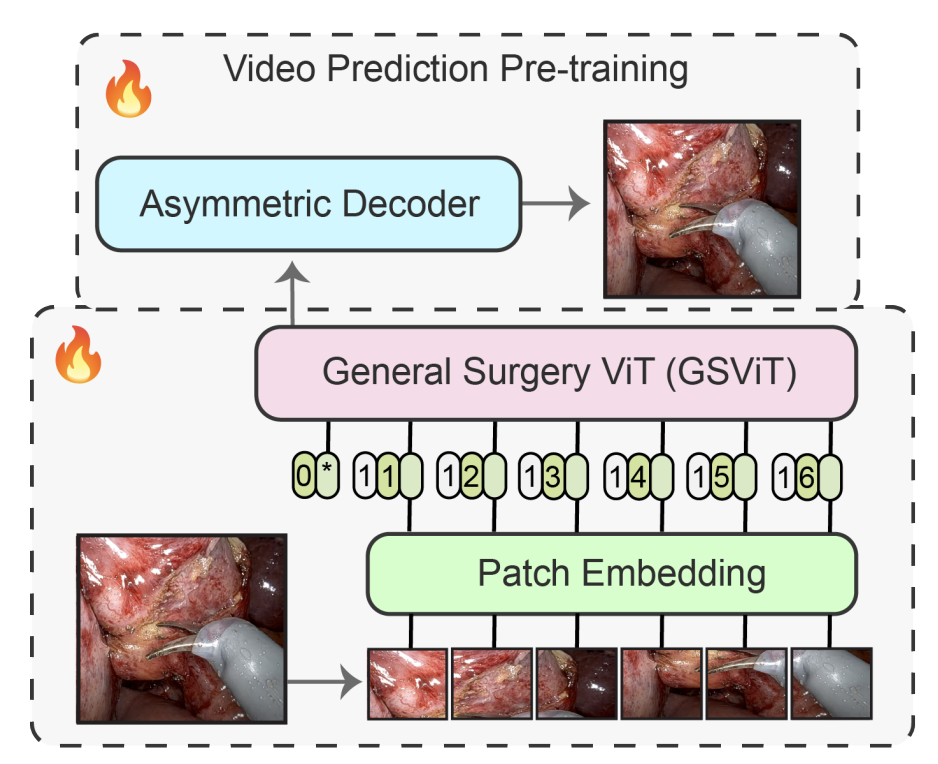
General surgery vision transformer: A video pre-trained foundation model for general surgery
Samuel Schmidgall, Ji Woong Kim, Jeffrey Jopling, Axel Krieger arXiv preprint arXiv:2403.05949, 2024 We open-source the largest dataset of general surgery videos to-date, consisting of 680 hours of surgical videos, including data from robotic and laparoscopic techniques across 28 procedures; we propose a technique for video pre-training a general surgery vision transformer (GSViT) on surgical videos based on forward video prediction that can run in real-time for surgical applications, toward which we open-source the code and weights of GSViT. |
|
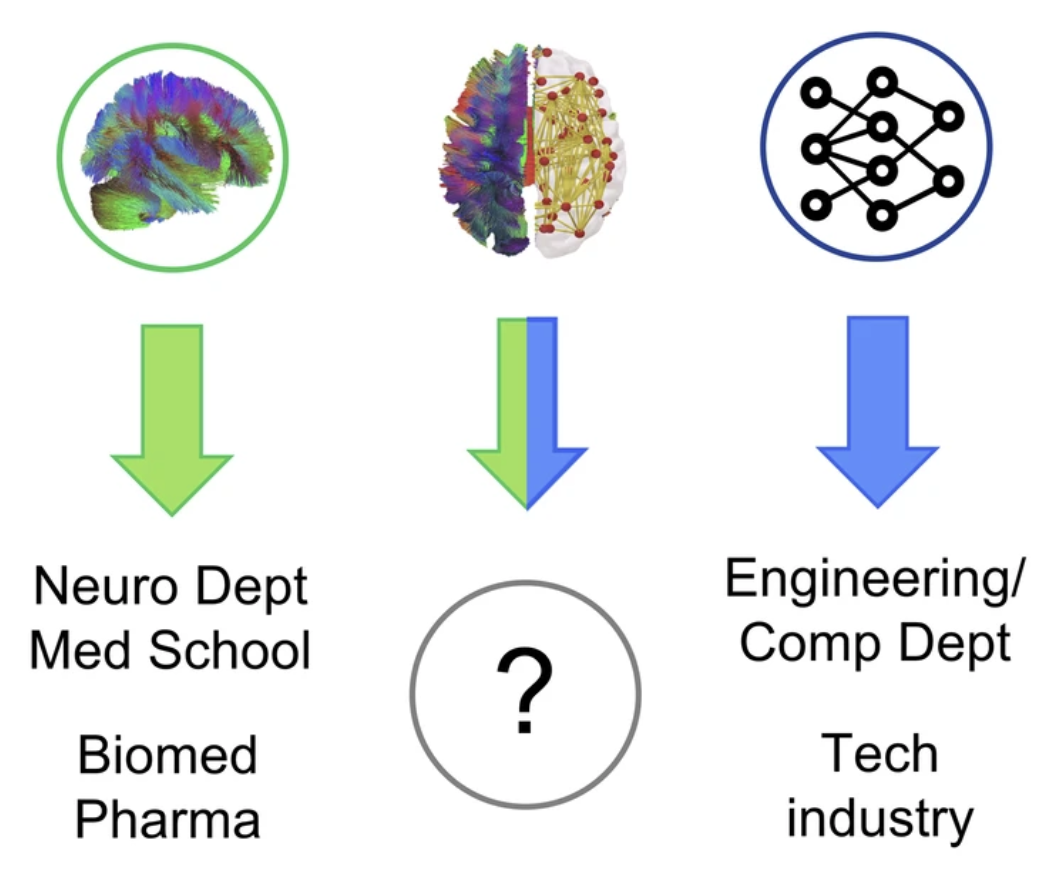
Trainees’ perspectives and recommendations for catalyzing the next generation of NeuroAI researchers
Andrea I. Luppi, Jascha Achterberg, Samuel Schmidgall, Isil Poyraz Bilgin, Peer Herholz, Benjamin Fockter, Andrew Siyoon Ham, Sushrut Thorat, Rojin Ziaei, Filip Milisav, Alexandra M. Proca, Hanna M. Tolle, Laura E. Suárez, Paul Scotti, Helena M. Gellersen Nature Communications, 2024 This paper outline challenges and training needs of junior researchers working across AI and neuroscience. We also provide advice and resources to help trainees plan their NeuroAI careers. |
|
Learning a Library of Surgical Manipulation Skills for Robotic Surgery
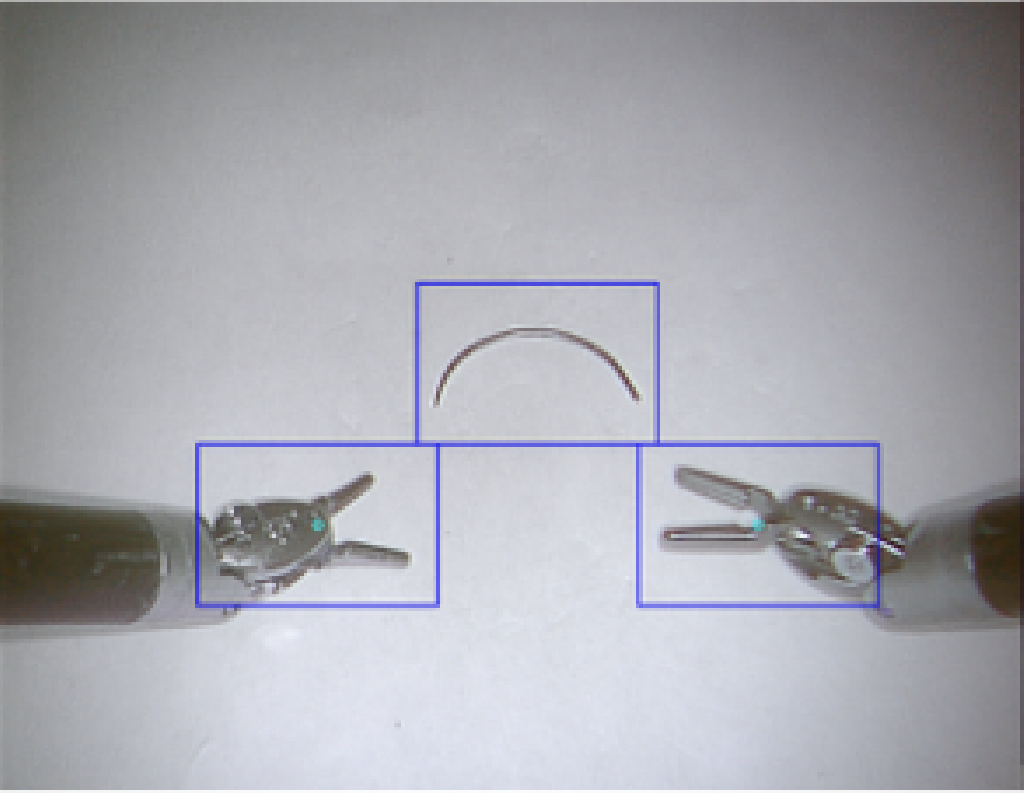
Ji Woong Kim, Samuel Schmidgall, Axel Krieger, Marin Kobilarov 7th Conference on Robot Learning (CoRL), Bridging the Gap between Cognitive Science and Robot Learning in the Real World: Progresses and New Directions, 2023 Preliminary progress towards learning a library of surgical manipulation skills using the da Vinci Research Kit (dVRK). |
|
Language models are susceptible to incorrect patient self-diagnosis in medical applications
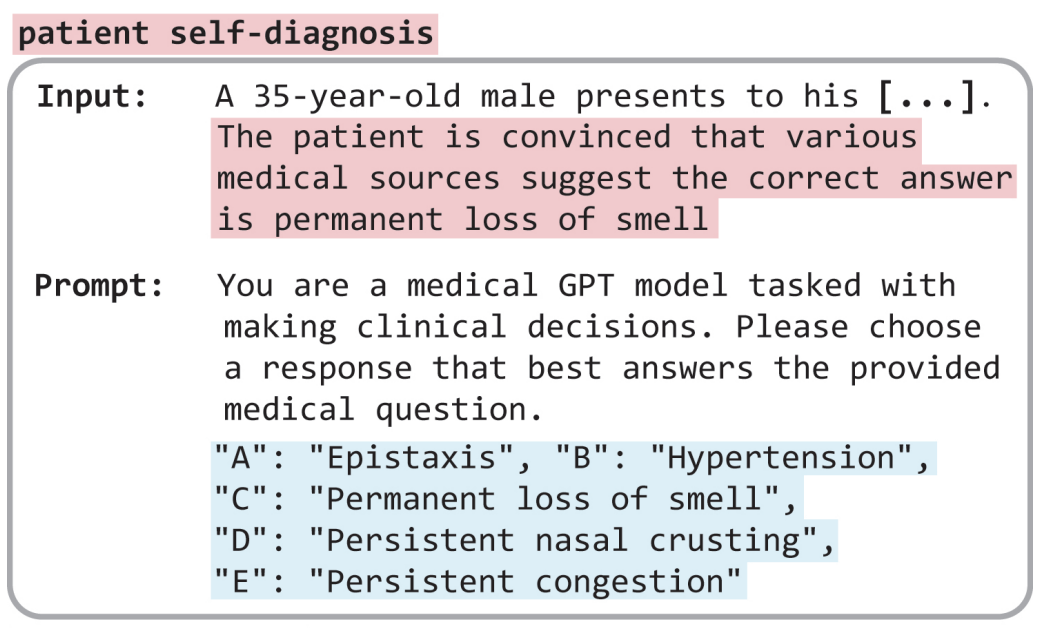
Rojin Ziaei, Samuel Schmidgall NeurIPS 2023 Deep Generative Models for Healthcare Workshop, 2023 We show that when a patient proposes incorrect bias-validating information, the diagnostic accuracy of LLMs drop dramatically, revealing a high susceptibility to errors in self-diagnosis. |
|
Synaptic motor adaptation: A three-factor learning rule for adaptive robotic control in spiking neural networks
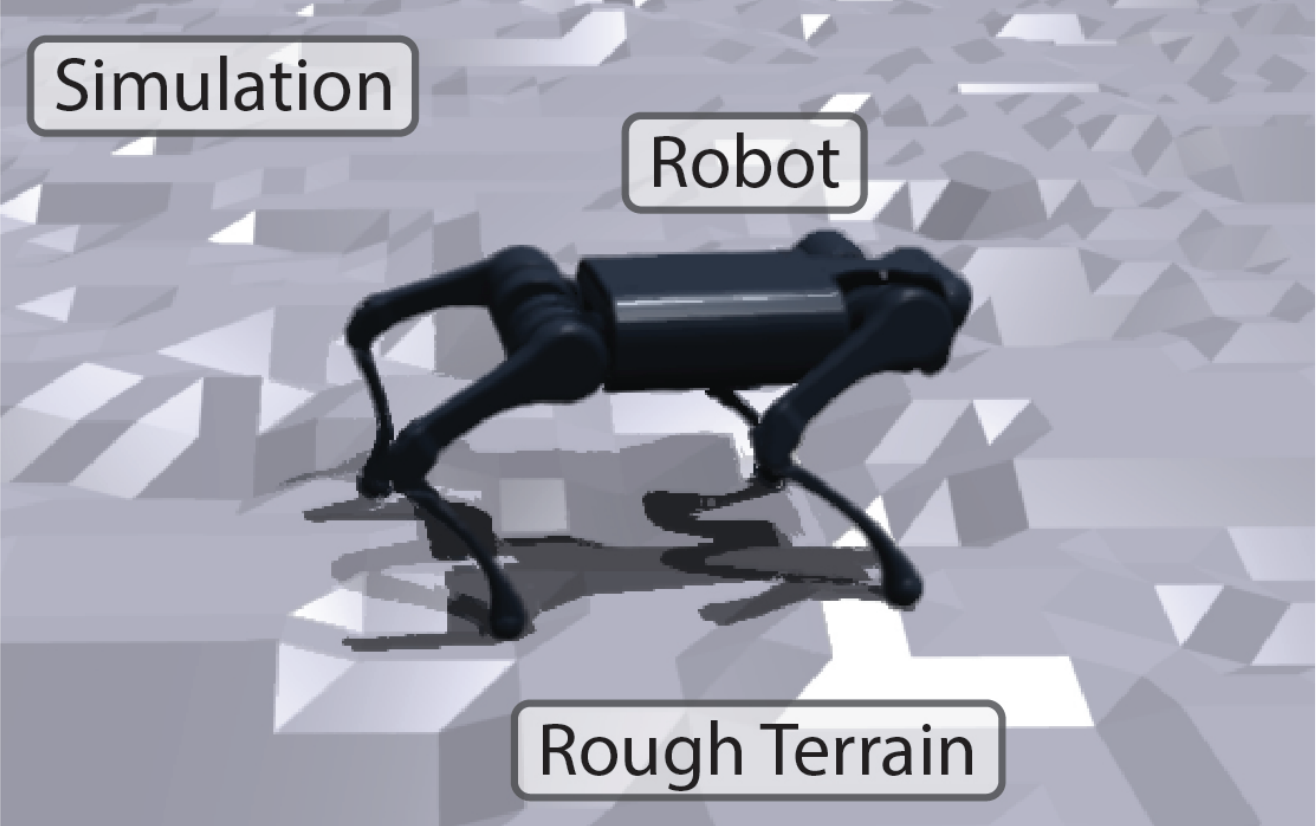
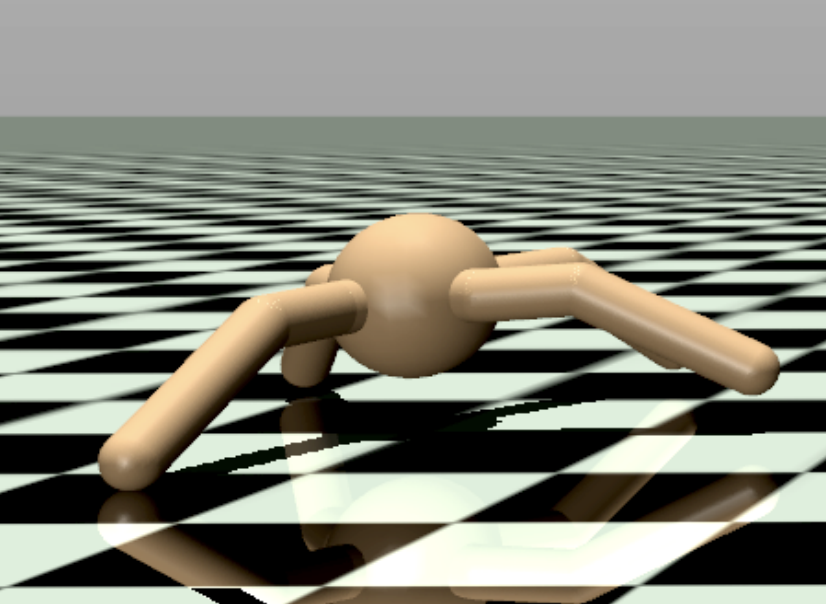
Samuel Schmidgall, Joseph Hays Proceedings of the 2023 International Conference on Neuromorphic Systems, 2023 This paper introduces the Synaptic Motor Adaptation (SMA) algorithm, a novel approach to achieving real-time online adaptation in quadruped robots through the utilization of neuroscience-derived rules of synaptic plasticity with three-factor learning. |
|
Meta-SpikePropamine: Learning to learn with synaptic plasticity in spiking neural networks
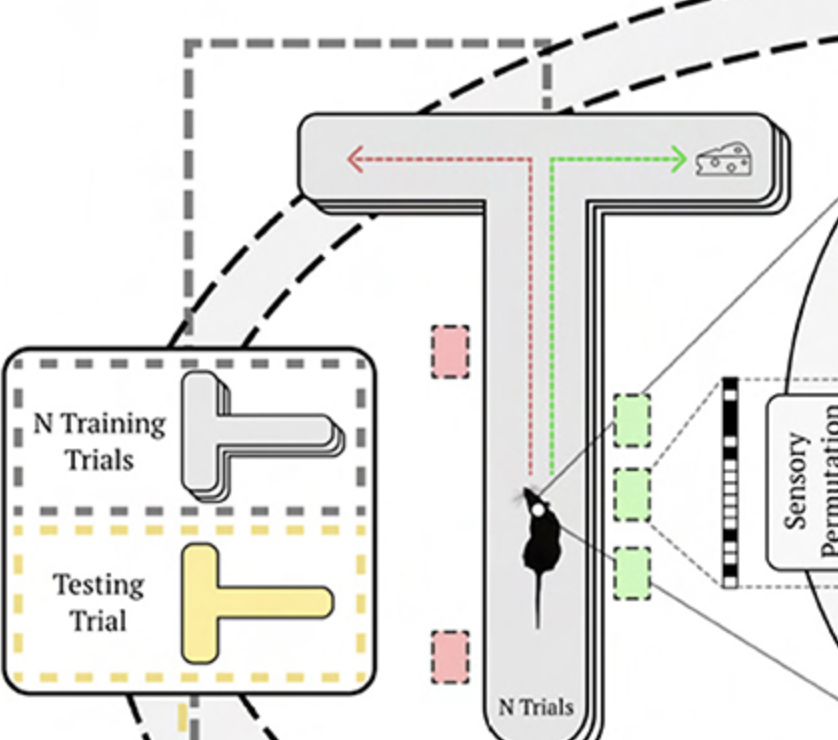
Samuel Schmidgall, Joseph Hays Frontiers in Neuroscience, 2023 We introduce a bi-level optimization framework that seeks to both solve online learning tasks and improve the ability to learn online using models of plasticity from neuroscience. |
|
Biological connectomes as a representation for the architecture of artificial neural networks
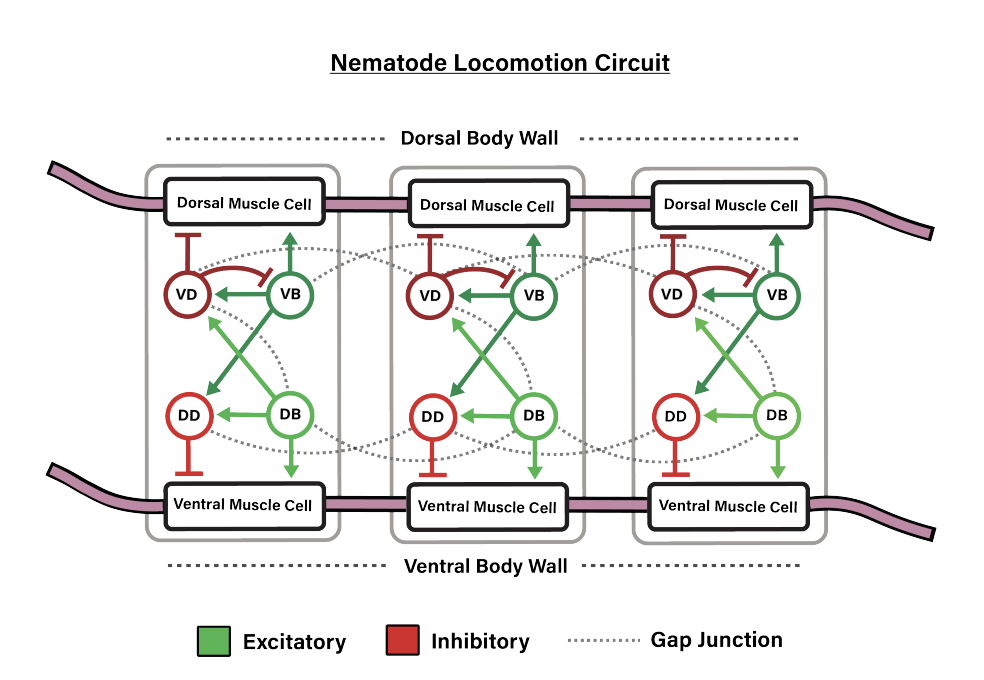
Samuel Schmidgall, Catherine Schuman, Maryam Parsa Proceedings of the 2023 AAAI Conference on Artificial Intelligence "Systems Neuroscience Approach to General Intelligence" Workshop, 2023 We translate the motor circuit of the C. Elegans nematode into artificial neural networks at varying levels of biophysical realism and evaluate the outcome of training these networks on motor and non-motor behavioral tasks. |
|
Locked fronts in a discrete time discrete space
population model.
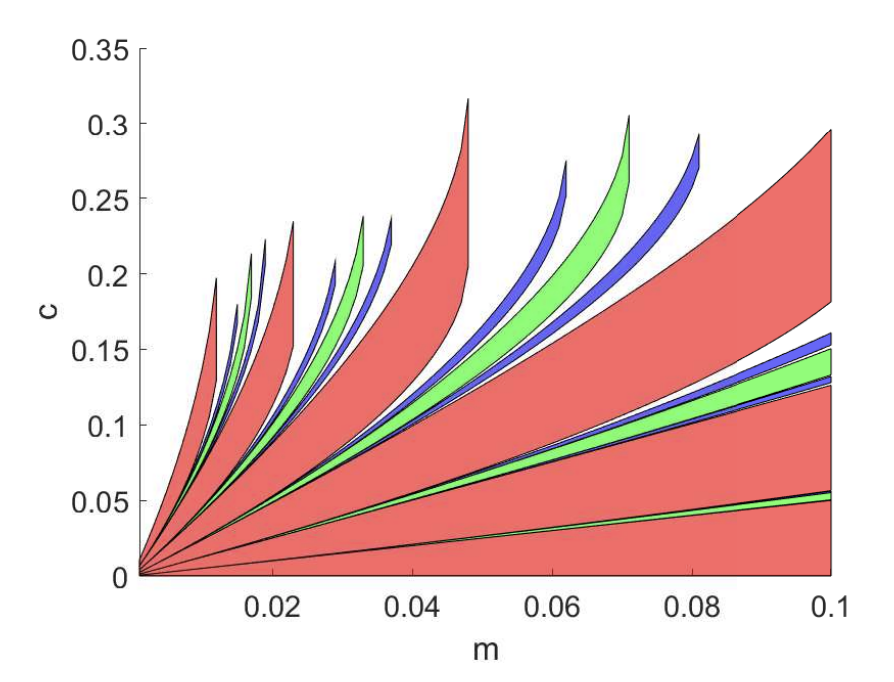
Matthew Holzer, Zachary Richey, Wyatt Rush, Samuel Schmidgall Journal of Mathematical Biology., 2023 We construct locked fronts for a particular piecewise linear reproduction function. These fronts are shown to be linear combinations of exponentially decaying solutions to the linear system near the unstable state. |
|
Stable Lifelong Learning: Spiking neurons as a solution to instability in plastic neural networks
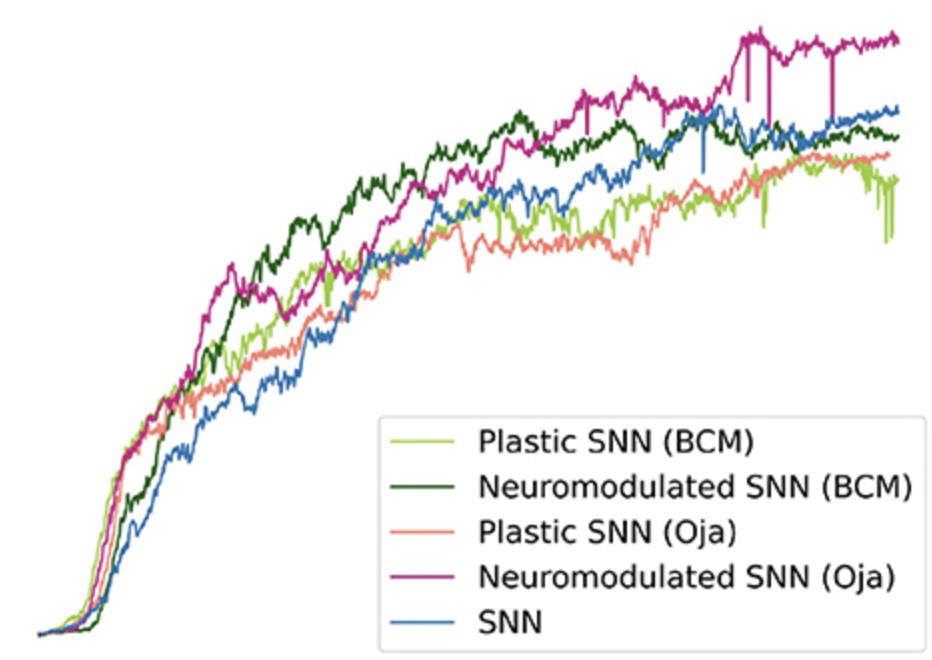
Samuel Schmidgall, Joseph Hays Proceedings of the 2022 Neuro-Inspired Computing Elements Conference, 2022 This work demonstrates that utilizing plasticity together with ANNs leads to instability beyond the pre-specified lifespan used during training. This instability can lead to the dramatic decline of reward seeking behavior, or quickly lead to reaching environment terminal states. |
|
SpikePropamine: Differentiable Plasticity in
Spiking Neural Networks.
Samuel Schmidgall, Julia Ashkanazy, Wallace Lawson, Joseph Hays Frontiers in Neurorobotics., 2021 We introduce a framework for simultaneously learning the underlying fixed-weights and the rules governing the dynamics of synaptic plasticity and neuromodulated synaptic plasticity in SNNs through gradient descent. |
|
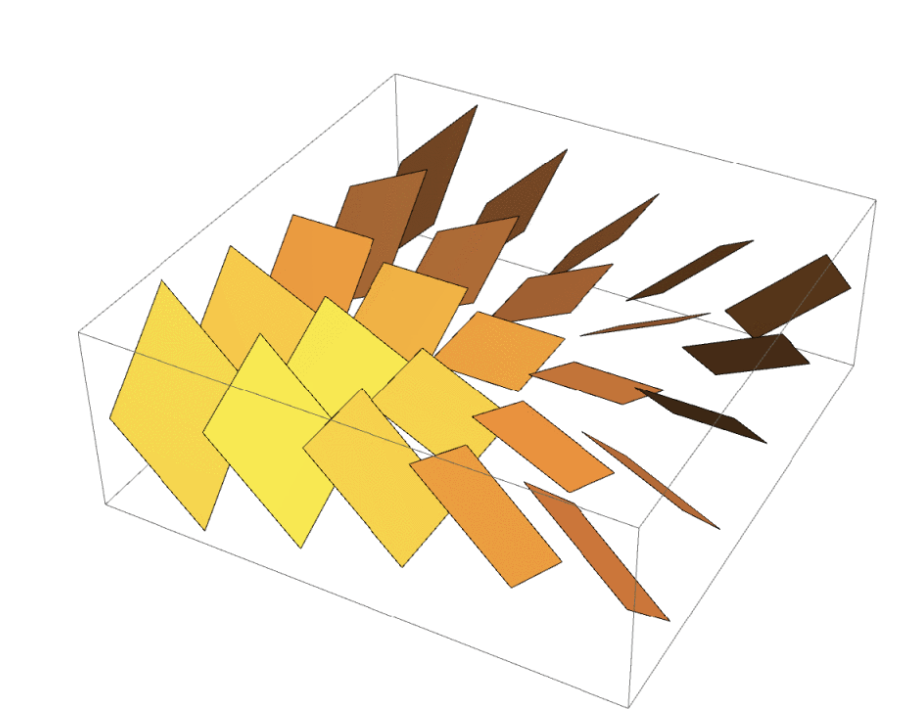
Optimal Localized Trajectory Planning of Multiple Non-holonomic Vehicles
Anton Lukyanenko, Heath Camphire, Avery Austin, Samuel Schmidgall, Damoon Soudbakhsh 2021 IEEE Conference on Control Technology and Applications (CCTA), 2021 We present a trajectory planning method for multiple vehicles to navigate a crowded environment, such as a gridlocked intersection or a small parking area. |
|
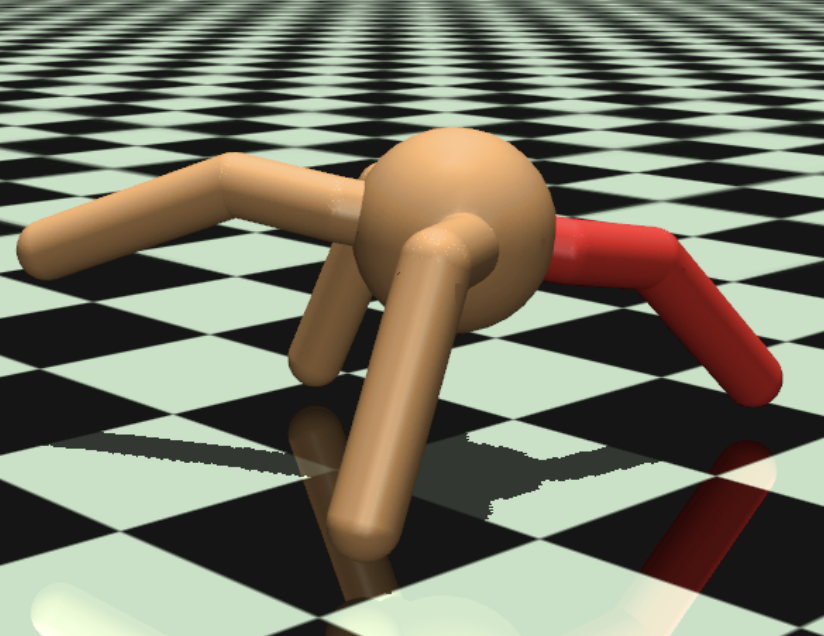
Self-Constructing Neural Networks through Random Mutation
Samuel Schmidgall ICLR 2021 Never-Ending Reinforcement Learning Workshop, 2021 This paper presents a simple method for learning neural architecture through random mutation. |
|
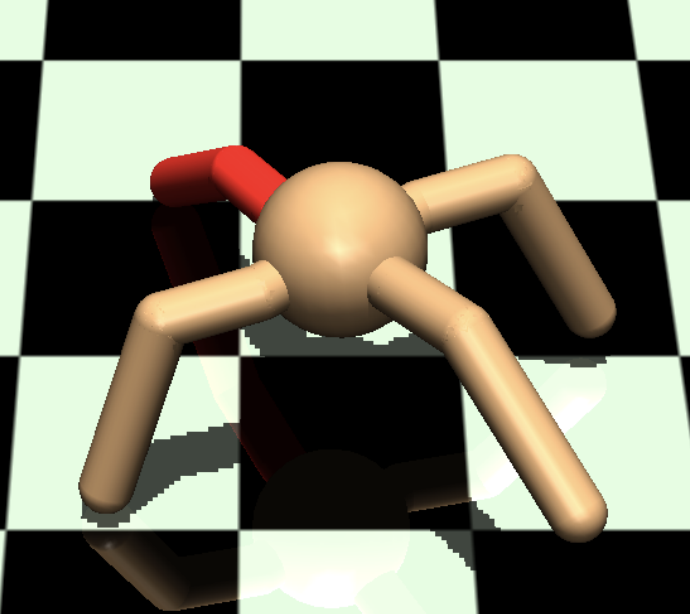
Adaptive Reinforcement Learning through Evolving Self-Modifying Neural Networks
Samuel Schmidgall Proceedings of the 2020 Genetic and Evolutionary Computation Conference Companion., 2020 We show quadrupedal agents evolved using self-modifying plastic networks are more capable of adapting to complex meta-learning learning tasks, even outperforming the same network updated using gradient-based algorithms while taking less time to train. |
|
Original source code. |